



Quebec cuisine developed from a specific historical convergence: the cooking traditions of the Norman and Breton peasants who formed the majority of New France‘s settlers, the Indigenous ingredients and preservation techniques that sustained the colony through its first harsh winters, and the extraordinary agricultural abundance of the St. Lawrence valley. The result is a culinary tradition that is simultaneously French in its foundations, North American in its generosity of scale, and distinctly Québécois in its embrace of winter, cold-weather preservation, and the cultural significance of communal eating.
The Defining Dishes
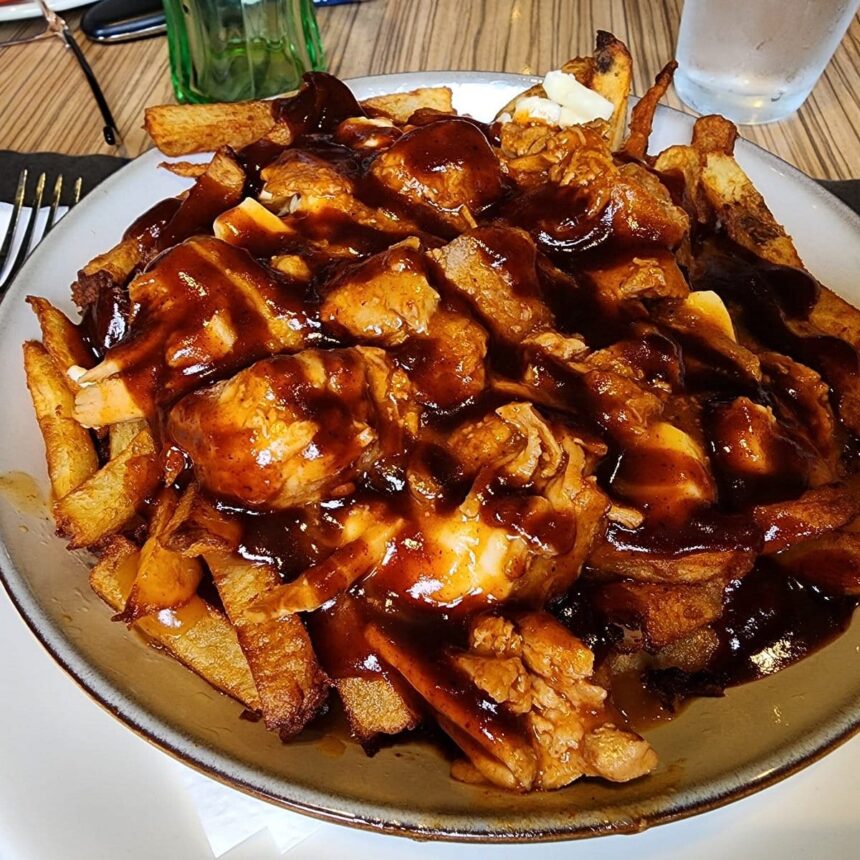
Tourtière ( the spiced meat pie filled with ground pork, veal, or game and traditionally served at Christmas Eve Réveillon ) is the most culturally significant Quebec dish. Poutine ( french fries, fresh cheese curds, and brown gravy ) is the most internationally recognized. Sugar pie (tarte au sucre) ( a simple, intensely sweet tart of maple syrup, cream, and eggs ) is the definitive Quebec dessert. Soupe aux pois (split pea soup with ham) and baked beans slow-cooked with maple syrup and lard (fèves au lard) are the foundational dishes of the traditional working-class table, now elevated across the restaurant spectrum by chefs treating Quebec’s historical food culture with the same seriousness they apply to French culinary tradition.
Indigenous Ingredients
The contemporary Quebec culinary renaissance has been significantly shaped by the renewed engagement with Indigenous and boreal ingredients fiddleheads, wild garlic, Labrador tea, black spruce tips, cloudberries, wild mushrooms, smoked fish in traditional First Nations preparations, and the game animals (deer, moose, bison) that were central to Indigenous food cultures and are now reappearing on serious Quebec menus. Restaurant Légende in Quebec City has built its Michelin-starred identity around an exclusive commitment to these ingredients and to First Nations culinary traditions.
Maple
Quebec produces approximately 72% of the world’s maple syrup a fact that makes maple not merely an ingredient but the defining expression of Quebec’s agricultural identity. The range of maple products extends far beyond syrup: maple butter, maple sugar, maple vinegar, ice-maple preparations, maple-infused spirits, and the seasonal ritual of the sugar shack (cabane à sucre) in March and April. The finest maple products are available directly from producers on Île d’Orléans and in the Laurentian foothills, or at the Marché du Vieux-Port year-round.








