Quebec cinema ( one of the most distinctive national film traditions in North America, producing work by Denis Villeneuve, Xavier Dolan, Jean-Marc Vallée, and dozens of less internationally known but equally accomplished filmmakers ) has its institutional and cultural heart in Montreal, but Quebec City provides the context within which much of this cinema’s subject matter makes sense: the specific French-language culture, the political consciousness, the landscapes, and the social tensions that Quebec filmmakers return to repeatedly are the same ones that shape daily life in the capital.
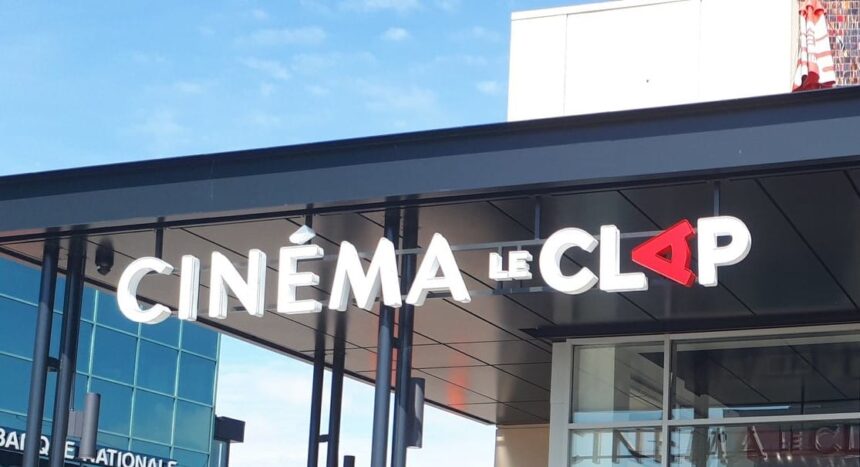
Cinéma Le Clap
Cinéma Le Clap ( Quebec City’s arthouse cinema, with locations in Sainte-Foy and the Old City area ) is the primary venue for non-commercial film exhibition in the capital: independent Quebec cinema, French and European releases, international art cinema, and documentary film that the multiplex circuit does not programme. Le Clap’s programming ( particularly its presentation of Quebec films and its coverage of the international festival circuit’s most significant titles ) provides Quebec City audiences with access to serious cinema without travelling to Montreal. The cinema’s café and programming discussion events create a film culture community around the venue.
Festival du cinéma de la Ville de Québec (FCVQ)
The Festival du cinéma de la Ville de Québec (FCVQ) ( held annually in September in the Old City and the Palais Montcalm ) is Quebec City’s primary film festival, presenting Quebec, Canadian, and international cinema in a format that makes the Old City’s architectural settings integral to the festival experience. Outdoor screenings on the Plains of Abraham and in the Place d’Armes, indoor presentations at the Palais Montcalm and Le Clap, and the presence of Quebec filmmakers and actors make the FCVQ one of the most atmospherically distinctive film festivals in Canada, even if its scale is more modest than the Toronto or Vancouver festivals.
Quebec Cinema on Screen
For visitors interested in experiencing Quebec culture through cinema before or after visiting Quebec City, several films provide essential context: Denis Arcand’s Le Déclin de l’empire américain (1986) and Les Invasions barbares (2003) present the intellectual class of Quebec with sharp wit and genuine complexity; Xavier Dolan’s early films capture Montreal’s and Quebec’s contemporary youth culture; Mon Oncle Antoine (Claude Jutra, 1971) ( frequently named the greatest Canadian film ever made ) depicts the Quebec of the 1940s under the Duplessis regime. Jean-Marc Vallée’s C.R.A.Z.Y. (2005) captures the suburban Quebec City of the 1970s-80s with extraordinary autobiographical specificity.