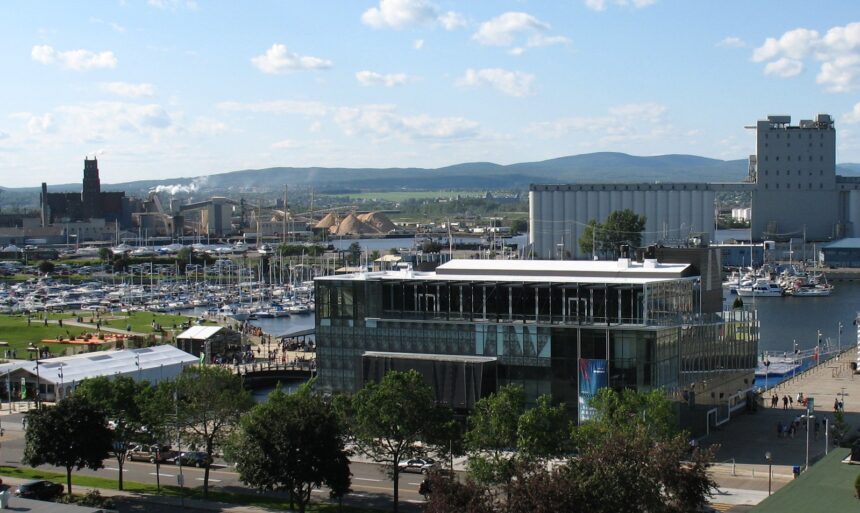
The Aquarium du Québec (located at 1675 Avenue des Hôtels in Sainte-Foy, on the cliff above the St. Lawrence near the Pont Pierre-Laporte approach, managed by Sépaq) is one of the finest freshwater and marine life institutions in Canada, dedicated specifically to the species of the St. Lawrence River and Gulf ecosystem and the subarctic environments that connect to the estuary. With approximately 10,000 specimens representing 300 species of fish, marine mammals, reptiles, and amphibians, the Aquarium provides a uniquely focused introduction to the biological richness of the waterway that has shaped Quebec City’s existence since the city’s founding.
The Belugas
The Aquarium’s beluga whales (white whales native to the St. Lawrence estuary, whose wild population in the St. Lawrence is listed as endangered (approximately 900 individuals, with persistent threats from marine traffic, pollution, and prey availability)) are the institution’s most beloved residents and the primary draw for family visitors. The beluga viewing area (a large glass-walled tank allowing close observation of the belugas’ swimming, vocalisation, and social behaviour) is the architectural and programmatic centrepiece of the Aquarium. The institution participates in beluga conservation research and public education about the wild St. Lawrence beluga population, using the captive animals’ accessibility as a means of building public engagement with the conservation challenge.
Polar Bears, Walruses & Arctic Wildlife
The Aquarium’s Arctic and subarctic wildlife section (housing polar bears, walruses, and other species of the northern ocean environments that connect ecologically to the St. Lawrence system) is among the most complete in any Canadian aquarium or zoo. The polar bears are particularly active and visually compelling in winter when their natural environment is approximated by Quebec City’s climate; the walruses (among the most charismatic large marine mammals) attract significant audience attention for their vocalisation and social behaviour. These species’ presence in the Aquarium reflects the ecological reality that the St. Lawrence is the southern extension of a subarctic marine system; beluga whales, for instance, inhabit both the St. Lawrence estuary and the Arctic seas, connecting the two environments.
Festi Lumière & Winter Experience
The Aquarium’s Festi Lumière (a winter light installation covering the outdoor grounds of the Aquarium with LED light displays, illuminated sculptures, and interactive light elements from December through March) is the institution’s most successful seasonal programming innovation, transforming what would otherwise be an off-season quiet period into a major visitor attraction. The half-million LED elements create a landscape of coloured light that attracts families, couples, and photography enthusiasts to the Aquarium’s grounds in the evening hours when the outdoor temperatures make the illuminated setting particularly dramatic. The combination of indoor animal exhibits (warm, year-round) and the outdoor light experience (cold but spectacular) makes a Festi Lumière visit a genuinely distinctive Quebec winter experience. The Sépaq annual card for the national parks does not cover the Aquarium — it gives 15 percent off adult daily admission — and the Aquarium sells a separate annual membership of its own.