The Opéra de Québec is the professional opera company based at the Grand Théâtre de Québec, presenting five to six mainstage productions each season in the Salle Louis-Fréchette and a complement of smaller-scale and touring programming. It is one of Canada’s most significant regional opera companies and the cultural institution that most directly extends Québec City’s musical heritage into the contemporary performing-arts landscape.
History and origins
The company was founded in 1971, the same year the Grand Théâtre opened its doors. The two institutions grew up together: the opera company and the concert hall whose Salle Fréchette acoustic was designed in part with operatic voice in mind. Founding artistic director Edwin Bélanger built an early repertoire weighted toward the Italian and French classics, with Verdi, Puccini, and Bizet anchoring the seasons through the 1970s and into the 1980s.
The current artistic direction balances core repertoire with selective contemporary programming. A typical season opens in October with a major work from the Italian or French canon (recent seasons have featured Aida, Tosca, and Carmen), continues with a chamber-scale or contemporary piece in the smaller Salle Octave-Crémazie, and concludes in May with a second large-scale production. The company also presents a holiday season concert and an annual gala that has become a cornerstone of the city’s cultural fundraising calendar.
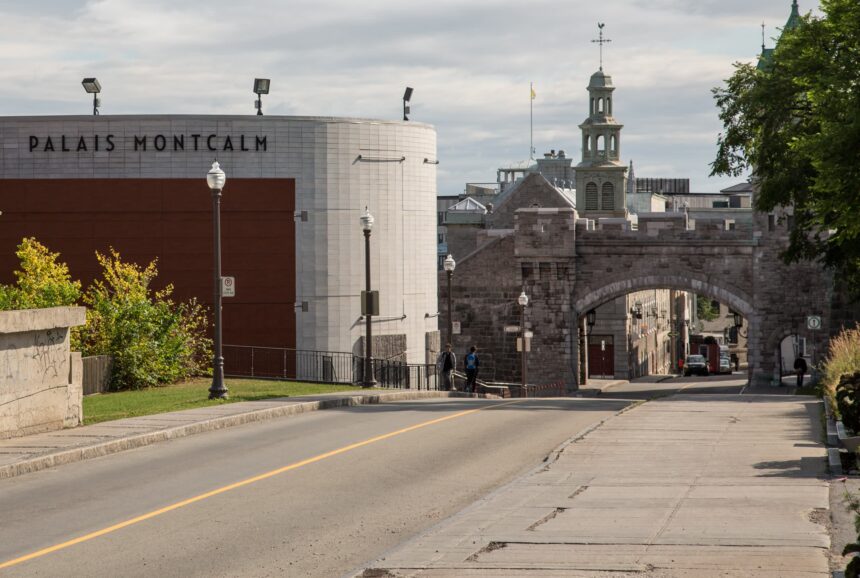
Casting draws on a mix of Québec-based singers, Canadian principals from the Toronto-Montréal-Calgary circuit, and an international roster typically anchored around two or three guest artists per production. The chorus is built around a core of professional Québec City singers supplemented by trained amateurs from the broader regional opera community. The orchestra is contracted from the Orchestre symphonique de Québec, which provides the same musicians who play the OSQ subscription season at the Palais Montcalm.
How locals use it
Tickets range from roughly $45 in the upper galleries to $185 in the orchestra and front mezzanine. A young audience program offers $25 tickets to anyone under 35, available three weeks before each production. The company also runs a touring outreach program that brings reduced-orchestration productions to regional venues across the Capitale-Nationale and Chaudière-Appalaches, often performing in churches and community halls outside the city limits.
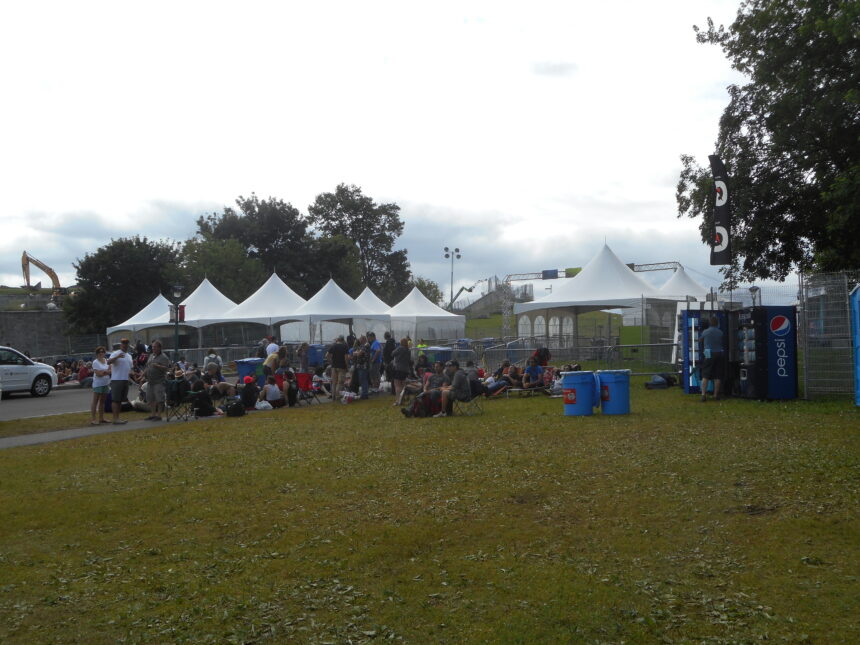
The Festival d’Opéra de Québec, an outdoor summer event that the company organizes separately each July and August, has become the company’s most visible public presence. The festival’s annual concert at the Plains of Abraham has drawn audiences of more than 80,000 in recent years, with full-orchestra performances of operatic highlights that are free and open to the public. The festival also includes ticketed productions in unconventional venues including the Palais Montcalm and the Église Saint-Roch.
The Opéra de Québec maintains a close relationship with the Conservatoire de musique de Québec and the Faculté de musique at Université Laval. Senior students at both institutions have access to the company’s productions for limited backstage observation, masterclasses with visiting principals, and occasional small chorus or supernumerary roles. The Atelier lyrique, a development program for young professional singers established in 2008, provides a year of intensive coaching and one or two roles in mainstage productions.
Hours and reservations
For visitors planning a trip around the opera season, the calendar runs from October through May with the highest concentration of productions in the November-to-March window. The Festival d’Opéra in late July and early August offers an alternative entry point during peak summer tourism. The Grand Théâtre’s box office, located on Boulevard René-Lévesque, opens at noon Tuesday through Saturday and accepts walk-up purchases. Online booking through the Grand Théâtre site is the most reliable option for visitors planning ahead from outside the city.
The company has weathered the financial pressures that have closed several other regional Canadian opera companies over the past decade by maintaining a careful balance between subscription revenue, single-ticket sales, government operating grants from the Conseil des arts et des lettres du Québec and the Canada Council for the Arts, and an active development program that draws sustaining contributions from the regional business community. Anniversary seasons have occasionally featured commissioned new work alongside the standard repertoire, although the company’s programming remains fundamentally rooted in the European canon that has defined it since the 1970s.