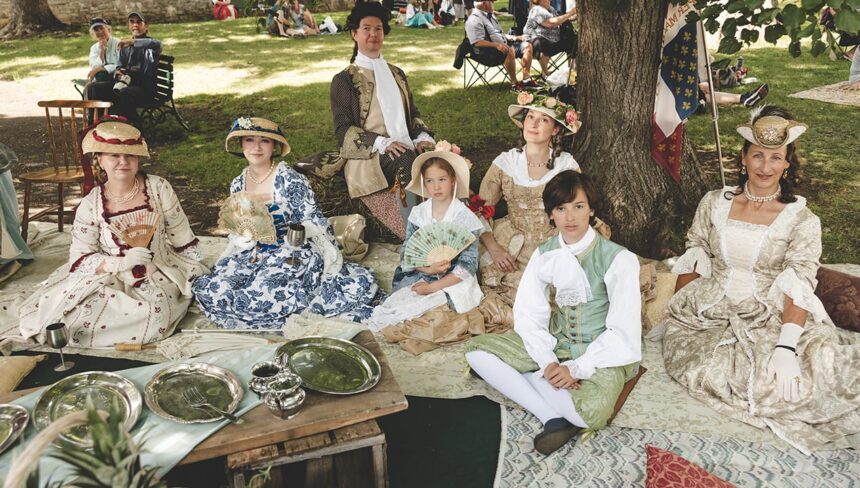
The cuisine of New France ( the diet of the colonists who settled the St. Lawrence valley from 1608 through the Conquest of 1759, adapted from the French provincial cooking tradition (primarily Norman, Breton, and Poitevin) to the specific agricultural, hunting, and fishing resources of the St. Lawrence ecosystem ) is the historical foundation of the Quebec comfort food tradition that the contemporary Quebec culinary culture continues to reference and celebrate. The gap between the cooking of 17th-century New France and the contemporary Quebec table is enormous in technique and ingredient availability; but the structural elements of the habitant diet (the pork fat, the bean, the root vegetable, the maple sweetener, and the game that the forest provided) are present in their modern descendants throughout the Quebec comfort food canon.
The New France diet’s defining ingredients and dishes: the corn (introduced to the colonists by the Indigenous peoples ( the three sisters cultivation (corn, beans, squash) that the Iroquoian peoples had developed over centuries was the most significant agricultural knowledge transfer in the contact period, providing the caloric base that the French colonial diet could not have sustained through the first difficult winters); the sagamité (the corn porridge that the Jesuit Relations document as the primary food of both the Indigenous peoples and the French colonists who learned to cook it ) a thick corn-based gruel seasoned with whatever the season provided); the salt pork and the dried legumes (the preserved protein sources that the long winter required, present in New France from the colony’s earliest years and surviving in the contemporary fèves au lard and soupe aux pois that remain the most-eaten traditional Quebec dishes); the beaver tail (the fat tail of the beaver, considered a delicacy in New France because its flavour profile (rich, unctuous, with a specific gaminess) and its caloric density made it the most prized single element of the fur trade hunter’s diet, roasted over the fire in the trapper’s camp not to be confused with the contemporary BeaverTails pastry franchise, which takes only the name and the shape from the historical food). The cabane à sucre’s annual spring table is the direct descendant of this New France dietary heritage: the maple sap that was the colonist’s sweetener, the salt pork that was the preserved protein, and the bean that was the primary legume of the habitant diet are all present in the traditional cabane menu that Quebec families still celebrate each spring.