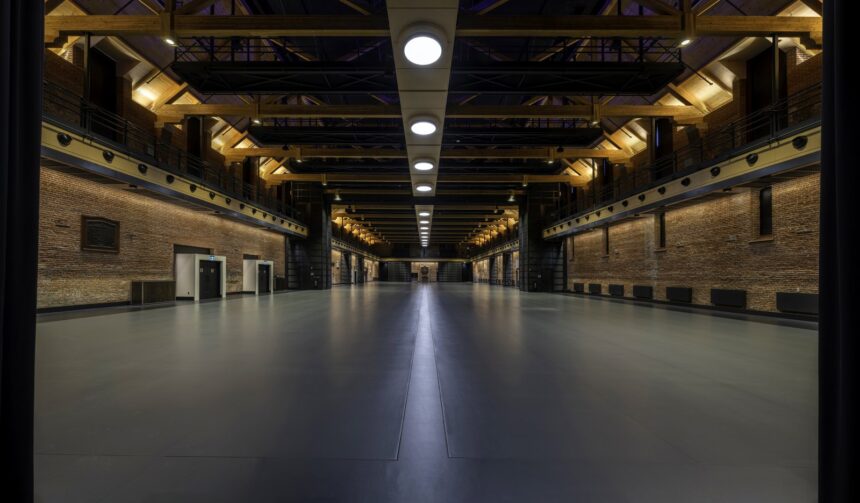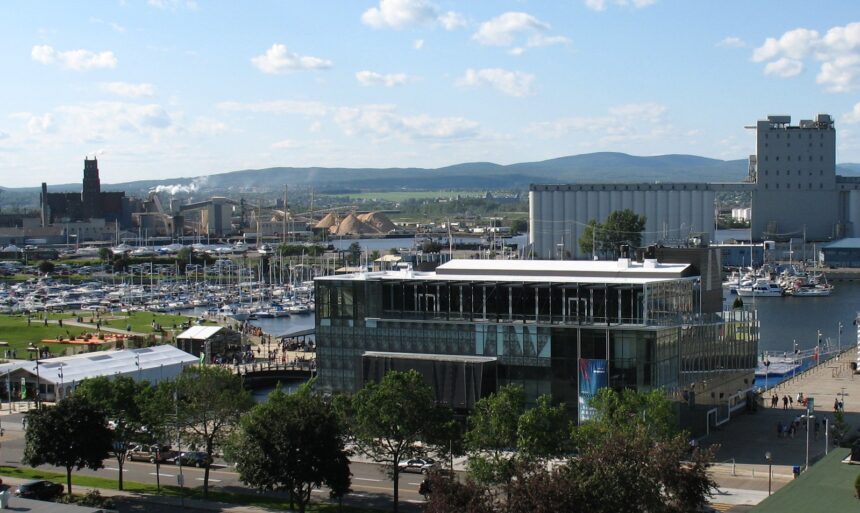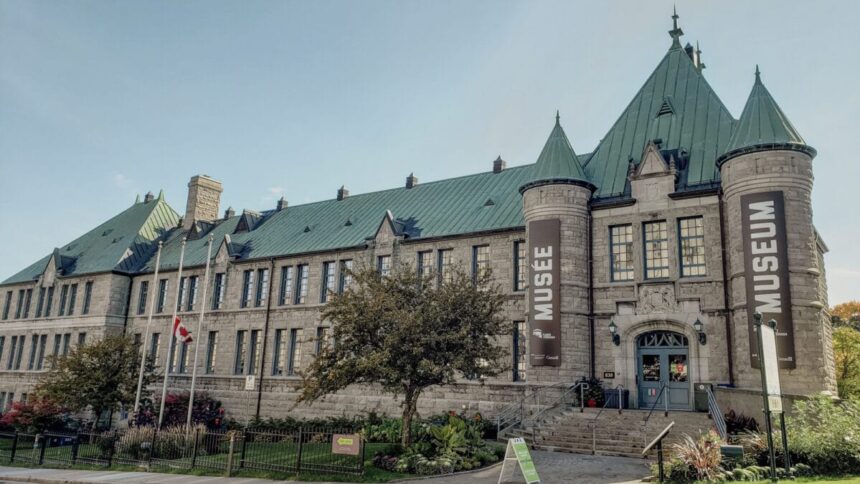
The Musée de la civilisation, on Rue Dalhousie at the edge of Place-Royale, operates four permanent exhibitions alongside a rotating programme of temporary shows. The museum does not follow a chronological or thematic master plan; each permanent exhibition stands on its own, with different curatorial voices and design approaches. For visitors trying to use their time well, understanding which permanent shows are actually worth prolonged attention matters.
C’est notre histoire: First Peoples
This exhibition, renewed in 2013 after a comprehensive redesign, presents the history and contemporary life of the eleven First Nations and Inuit peoples of Québec. The curatorial approach, developed through direct collaboration with each community, departs from anthropological conventions common in older museums. Indigenous voices narrate the displays through audio, video and written testimony; artefacts are interpreted in the terms the originating community uses rather than in academic categories.
The exhibition occupies roughly 1,200 square metres on the third floor. Strong pieces include a reconstructed Innu tent interior, a Mi’kmaq canoe, and an extensive display of contemporary work by First Nations artists responding to questions of sovereignty, language and cultural continuity. Allow 60 to 90 minutes for a serious visit.
Le temps des Québécois
The museum’s narrative survey of Québec identity, Le temps des Québécois runs from pre-contact to the present. The exhibition is organised around key moments in the provincial story: the French regime, the British conquest, the Patriote rebellions, industrialisation, the Quiet Revolution, the 1995 referendum, and the diversification of the population in recent decades.
The design is conventional compared with the First Peoples exhibition: display cases, chronological signage, and short audiovisual segments. The strength lies in the quality of the primary documents, which include original manuscripts, flags, political posters, consumer objects and domestic ephemera drawn from three centuries. The exhibition was redesigned in 2017 and remains the most comprehensive single presentation of Québec history available in any museum in the province.
People of Québec… Then and Now
This exhibition looks specifically at the contemporary experience of living in Québec, drawing on oral histories, personal possessions and short films rather than grand historical narrative. The curatorial method, rooted in ethnography and social history, asks residents to describe their own lives and reads those accounts against the broader social patterns of the province.
The approach divides visitors. Some find the personal-story format more emotionally resonant than traditional history exhibitions; others miss the chronological structure and feel the exhibition’s point eludes them. For visitors already familiar with Québec’s standard historical narrative, this show provides a useful counterpoint. For first-time visitors, Le temps des Québécois is probably the better starting point.
The archaeological vaulted cellar
Below the main exhibition floors, an 1752 stone vaulted cellar, discovered during the museum’s 1984 excavation, is preserved as a permanent exhibition space. The cellar belonged to the Maison Estèbe, a merchant’s house built in the 1750s and partially demolished during the construction of the modern museum. The displays in the cellar include archaeological finds from the site: pottery fragments, bottles, clay pipes, and structural elements of the original house.
The cellar is accessible free of charge without a museum ticket, through a side entrance off the main lobby. For visitors with limited time, the cellar alone provides a 15-minute encounter with the physical layers beneath Place-Royale and a useful complement to a walk around the square.
Practical guidance
The museum opens daily except Monday (in most months) from 10h to 17h. Entry costs C$22 for adults, C$18 for seniors, free for children under 12. The combined ticket, which includes same-day entry to the Musée de l’Amérique francophone and the Musée de la Place-Royale across the square, runs C$32 and represents better value for visitors planning multiple stops.
The permanent exhibitions rotate occasionally, with individual sections closed for redesign every several years. Checking the museum’s website before a visit avoids the disappointment of finding a specific show closed. Audio guides in seven languages are included with admission; wheelchair loans are available at the information desk.
Suggested itinerary
For a first visit with two to three hours available, the best sequence begins with the archaeological cellar, moves up to Le temps des Québécois for historical grounding, and ends on the third floor with C’est notre histoire. If temporary exhibitions are running (the museum usually has one or two at any given time), reserve time for these after the permanent rooms. Skipping the People of Québec exhibition on a first visit is reasonable; it rewards return visitors more reliably than first-time tourists.