The single most common email I get from visitors planning a Québec City winter trip: “Is it really as cold as everyone says?”
The honest answer is: yes, and then some. Québec City in February is genuinely serious winter weather, and visitors from warmer climates consistently underestimate what that means until they’re standing outside at 6 PM with numb fingers wondering why their jacket from Los Angeles isn’t working.
This guide is the packing list I wish I’d had on my first February visit. It’s specific, practical, and built around what locals actually wear rather than what travel magazines tell you to pack.
The Weather Reality
Québec City in February typically sees:
- Daytime highs: -8°C to -15°C (18°F to 5°F)
- Overnight lows: -18°C to -28°C (0°F to -18°F)
- Wind chill: often 5-10 degrees colder than ambient, sometimes pushing -40°C (-40°F) during cold snaps
- Snow: frequent light snow, occasional major storms of 20-40+ cm
- Ice: cobblestones, sidewalks, stairs — all potentially icy
This isn’t Chicago winter. It’s closer to Calgary or Minneapolis winter, with more moisture and more ice from the river proximity. If you dress for a mild winter elsewhere, you’ll be uncomfortable or worse here.
The Non-Negotiable Layers
Base Layer
Merino wool or synthetic thermal long underwear — top and bottom. This is the foundation. Do not use cotton — it holds moisture and becomes dangerous when you sweat. Budget $80-120 for a decent set.
Mid Layer
Fleece jacket or wool sweater — traps warm air. A medium-weight fleece (100-200 weight) is versatile; heavier weights are useful for extreme days. $40-80.
Outer Layer
A real parka, not a “winter jacket” — rated for -20°C or colder, preferably with a hood. Canada Goose, Kanuk, Marmot, North Face, Patagonia expedition-level parkas. This is the single biggest investment, but a good parka lasts 10+ years. $300-1,200.
If you don’t own one, Simons or La Cordée in Québec City sell excellent options if you need to buy on arrival.
Feet
This is where most visitors fail. Summer boots don’t work. Fashion boots don’t work. You need:
- Insulated winter boots rated for -20°C or colder
- Waterproof/water-resistant materials
- Real grip — the soles matter as much as the insulation. Rubber lug soles with deep tread
- Tall enough to keep snow out — at least 8-10 inches
Brands to consider: Sorel Caribou, Baffin, Pajar, Blundstone insulated winter line, Columbia Bugaboot, Merrell Thermo Overlook. Price range: $150-300.
Add wool or thermal socks. Bring 2-3 pairs; damp socks are miserable.
Hands
Mittens over gloves. Mittens trap more warmth by letting your fingers share heat. If you absolutely need finger dexterity for photography, consider mittens with removable liners that let you briefly expose fingers.
For extreme cold, double up: thin liner gloves (merino or silk) inside insulated mittens. The liners stay on when you need to briefly use a phone or camera.
Budget: $40-100 for quality mittens.
Head and Face
A hat that covers your ears is mandatory, not optional. Wool, fleece, or thermal synthetics. A thin knit hat from a trendy clothing store will not do the job.
A scarf or buff to cover your neck and optionally your face. Essential during wind-chill events or extended outdoor time.
Sunglasses — sounds counterintuitive in winter but snow glare can be intense on sunny days.
The Often-Forgotten Items
Hand and toe warmers. Disposable chemical warmers (HotHands, Grabber, similar). Stuff them in your boots before parades or extended outdoor events. A pack of 20 costs about $15 and is invaluable.
Chapstick with SPF. Wind and cold crack lips dramatically. Sun still exists.
Moisturizer. Indoor heating plus outdoor cold dries your skin aggressively.
Reusable water bottle. Hydration matters even in cold weather, possibly more than in summer.
Small backpack. For shedding layers when you’re indoors. Restaurants and cafés will ask you to remove your parka; you need somewhere to put it.
Wet bag or plastic bag. For damp gloves, scarves, etc. from melting snow.
The Things You Don’t Need to Pack
An umbrella. Useless — snow isn’t rain, and wind makes them worthless.
Light sweaters. If you’re dressed for outdoor, you’ll be overdressed indoors; stick to one or two mid-layer pieces.
Multiple pairs of jeans. Jeans are actively bad in deep winter. Wear insulated or wind-resistant pants.
Regular walking shoes for “just in case.” If it’s winter, you need winter footwear. Always.
Photography in Winter
If you’re photographing, a few specific additions:
- Multiple batteries — cold drains them fast. Keep spares against your body (inside coat) to stay warm.
- Lens hood — protects from snow.
- Microfiber cloth — for wiping mist and melted snow from lenses.
- Weather-sealed camera bag — or at least a camera you’re willing to get snow on.
Avoid changing lenses outdoors in very cold conditions — condensation when you move from cold to warm can damage equipment.
The Clothing-Indoor-Outdoor Transition
A specific Québec City winter reality: you’ll move between heated interiors and deep cold constantly. This creates a packing challenge.
Solution: dress in removable layers. Parka off, fleece off, base layer stays, you’re comfortable indoors. Walk outside, parka back on, scarf up, mittens on. This rhythm happens 10-15 times a day on a normal winter tour schedule.
Coat-check your parka at major attractions. Many museums, restaurants, and theatres have coat-check or hooks available. Don’t try to carry a parka with you.
The Specific Packing List
For a 5-day winter trip:
- 1 parka
- 2 thermal base layer sets (top and bottom)
- 1-2 fleece or wool sweaters
- 1-2 pairs of insulated pants
- 1 pair of winter boots
- 3-4 pairs of wool/thermal socks
- 1 pair of mittens + liner gloves
- 2 hats (one for outdoor, one backup)
- 1-2 scarves/buffs
- Sunglasses
- Pack of disposable hand/toe warmers
- Chapstick, moisturizer
- Indoor clothes (jeans, casual shirts) for restaurants and hotels
- Comfortable indoor shoes for use inside
Buying Gear on Arrival
If you arrive underprepared, you have good options:
Simons (Grande Allée) — Full department store with excellent winter gear.
La Cordée (Grande Allée) — Outdoor specialist with serious cold-weather equipment.
Chlorophylle — Another outdoor specialist with multiple locations.
Budget $400-800 if you need to outfit yourself fully on arrival. Expensive, but you’ll have gear that lasts.
What to Wear to Specific Activities
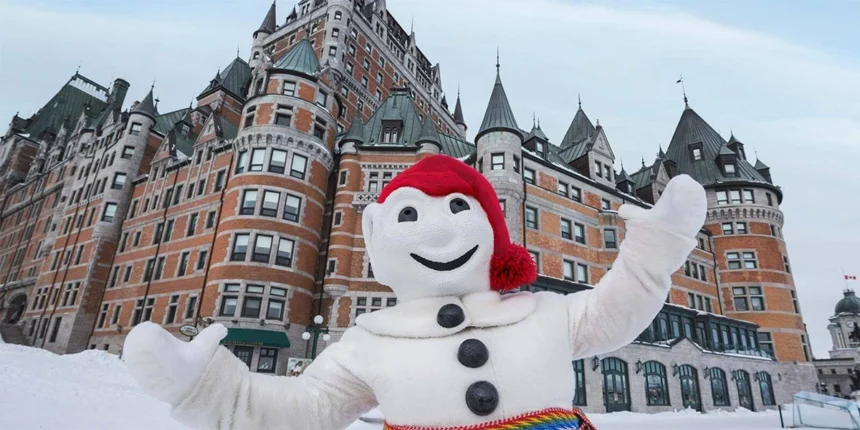
Carnival parades: Maximum warmth — parka, hat, scarf, mittens, hand warmers. You’re standing still for an hour.
Restaurant dinners: Smart casual under your parka. Nice shirt or blouse, jeans or pants. Remove parka at check-in.
Walking tours: Your full outdoor setup. You’ll be outside 90+ minutes.
Museum visits: Base layer + sweater. Coat-check the parka.
Sugar shack: Full outdoor gear plus a backup pair of socks (shacks are sometimes muddy).
FAQ
How much should I budget for winter gear?
Baseline adequate: $400-600 for someone with no existing cold-weather gear. Quality setup: $800-1,500. Expedition-grade: $2,000+.
Can I rent gear?
Limited options for ski gear at resorts. Not much for urban winter wear. Buying is the practical option.
Do kids need the same gear?
Yes, scaled down. Kid-sized parkas and boots. Many local families have hand-me-downs; buy used if you need affordable options.
Are indoor heated spaces a break from the cold?
Yes, constantly. Cafés, restaurants, museums, hotel lobbies all function as warming stations. Use them.
What if I’m only visiting for 2-3 days?
You still need full gear. Winter doesn’t grade on a curve for short trips.
Final Word
Québec City in winter rewards the prepared visitor and punishes the unprepared one. The gap between a great winter trip and a miserable one is roughly the cost of a decent parka. Invest appropriately. Once you’re geared up, you’ll find that winter Québec City is one of the most enjoyable urban destinations in North America — atmospheric, uncrowded, distinctly Québécois, and unforgettable. Come dressed correctly and the weather becomes part of the experience rather than an obstacle to it.