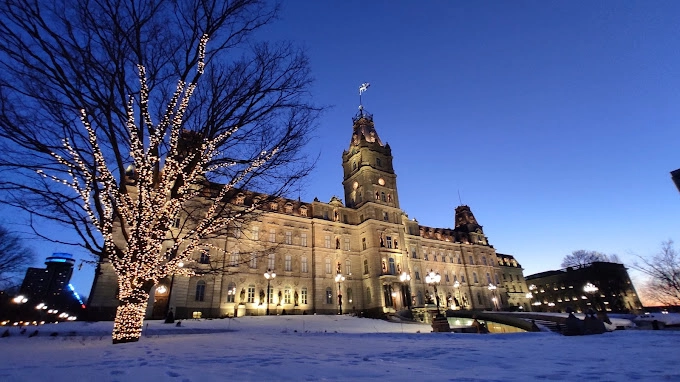
Christine Fréchette took the oath of office as Quebec’s 33rd premier late on April 15 at the National Assembly, becoming the second woman to hold the position after Pauline Marois served from 2012 to 2014. Lt.-Gov. Manon Jeannotte administered the oath. The ceremony formalized a leadership transition the Coalition Avenir Québec had been working through since January 14, the day François Legault announced he would step aside before the October election.
What sets it apart
Fréchette defeated Bernard Drainville three days earlier in the CAQ’s first competitive leadership race. Legault had led the party unchallenged since co-founding it in 2011 with former Air Transat colleagues, winning majority mandates in 2018 and 2022. His decision to resign followed more than a year of polling that consistently placed the CAQ third or fourth in voter intention surveys, behind the Parti Québécois, the Liberals, and sometimes the Conservatives.
The new premier represents Sanguinet, a riding in Montreal’s South Shore suburbs she first won in 2022. She took over the Economy, Innovation and Energy portfolio in September 2024 after Pierre Fitzgibbon’s resignation, having previously served as immigration minister in Legault’s first mandate. Her Montreal-region political base distinguishes her from most recent Quebec premiers: Jean Charest, Marois, Philippe Couillard and Legault all represented Quebec City-region or regional ridings. Analysts at CTV and La Presse have predicted she will target Liberal rather than PQ voters as she tries to rebuild CAQ support ahead of the fall vote.
On the ground
Mayor Bruno Marchand met with Fréchette in Quebec City on Wednesday morning and called the encounter “a good start” in comments to reporters afterward. The two have substantial unfinished business. The TramCité light rail project, funded through CDPQ Infra and scheduled to begin construction in 2027, requires ongoing provincial cooperation on expropriation, regulatory approvals and operating subsidies. Ottawa’s Build Canada Homes program, formalized with Quebec in January, needs continued provincial coordination. And the contested Third Link highway-tunnel proposal between Quebec City and Lévis, effectively shelved by Legault’s cabinet in 2023, remains a live political issue in the Chaudière-Appalaches suburbs where CAQ support has softened.
Seasonal character
Fréchette’s cabinet composition is expected in the coming days. The CAQ caucus holds 72 seats in the 125-seat National Assembly; every indication suggests she will keep most of Legault’s team intact to avoid visible turmoil this close to an election. The larger strategic question is whether a change of leader alone can reverse the CAQ’s decline. Pauline Marois won the premiership in 2012 with a minority PQ government and lost it 18 months later. The lesson is not lost on Quebec political observers, who see the October vote as Fréchette’s to hold rather than to win.
For Quebec City residents, the immediate change is symbolic: the premier works from the Hôtel du Parlement on Grande Allée, and the premier’s official residence is in the capital. The practical questions, including whether federal-provincial files on housing and transit will continue on their current trajectory, will become clearer after Fréchette’s first throne speech, typically delivered within weeks of a new government taking office.