Quebec City’s public education system ( structured around the French-language Centre de services scolaire de la Capitale (CSdQ, the largest school board in the Quebec City region) and the English-language Central Québec School Board (CQSB, serving the much smaller anglophone community), alongside the private school sector and the post-secondary network of CEGEPs and universities ) reflects Quebec’s distinctive educational philosophy: a system shaped by the Quebec Act’s educational guarantees, the Quiet Revolution’s secularisation of the formerly Catholic-controlled school system, and the language legislation that determines which children may attend French versus English public schools.
The CSdQ: French Public Schools
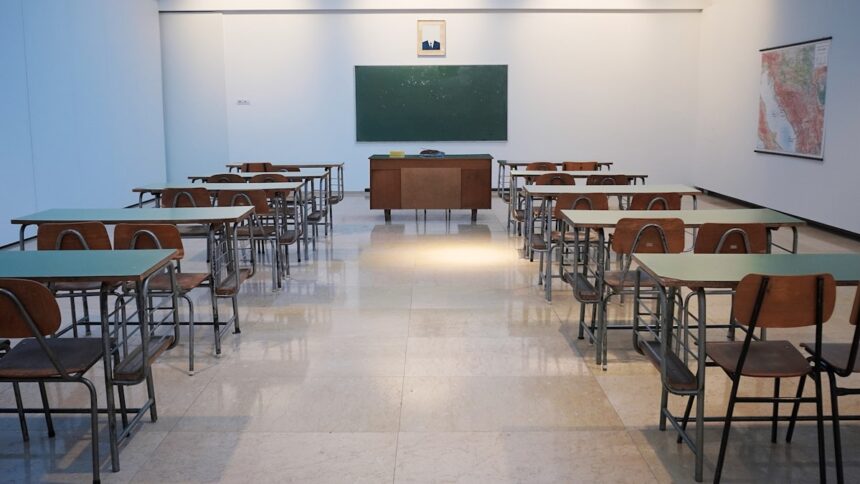
The Centre de services scolaire de la Capitale ( the result of the 2020 reform that replaced the Quebec anglophone-francophone school board structure with geographic school services centres ) manages approximately 100 elementary and secondary schools serving the francophone majority of the Quebec City region’s school-age population. The CSdQ’s schools follow the Quebec Education Program (QEP), which prescribes a curriculum that is distinctively Quebec in several respects: the Ethics and Religious Culture course (replacing the formerly Catholic religious instruction), the mandatory French-as-first-language program, the enhanced arts education programming, and the required secondary-level “Physical Education and Health” curriculum that reflects Quebec’s emphasis on active living across all age groups. The CSdQ’s secondary schools include the general academic stream (preparing students for CEGEP general and professional programs) alongside the numerous specialized programs (sports-studies, arts-studies, international baccalaureate, and various enriched academic streams) that Quebec’s secondary school system offers within the public framework.
The CEGEP: Quebec’s Unique Institution
The Collège d’enseignement général et professionnel (CEGEP) ( the post-secondary educational institution unique to Quebec, providing either 2-year pre-university preparation (leading to university admission) or 3-year technical/professional diplomas ) is the most distinctive feature of Quebec’s educational system and the institution that most consistently surprises newcomers from other provinces. Quebec’s 12 years of primary and secondary schooling (versus 13 in most other provinces) are compensated by the mandatory 2-year CEGEP pre-university program, making the total educational years to university comparable to other provinces despite the different institutional structure. Quebec City’s CEGEPs ( including the Cégep de Sainte-Foy, the Cégep de Limoilou, and the Cégep François-Xavier-Garneau ) collectively enrol approximately 25,000 students annually and produce the graduates who proceed to Université Laval and other Quebec universities or enter the labour market with technical diplomas in health sciences, computer technology, business, and the various professional technical disciplines that Quebec’s post-secondary professional training system develops.
Language of Instruction & Bill 101
The language of instruction question in Quebec City’s school system is governed by the Charter of the French Language (Bill 101) and its subsequent amendments: children in Quebec must attend French-language public schools unless at least one parent received their primary education in English in Canada. The provision ( intended to ensure that immigrant children integrate into the French-speaking majority rather than the English-speaking minority ) has been constitutionally challenged and partially modified over the decades since 1977 (the “Quebec clause” restricting eligibility to English schooling to those whose parents were educated in English specifically in Quebec was struck down by the Supreme Court, replaced by the “Canada clause” extending eligibility to English schooling in any Canadian province). The practical effect in Quebec City ( where the anglophone community is under 3% of the population ) is that virtually all children of immigrant families and French-Canadian families attend French-language schools, with the CQSB’s English schools serving the residual anglophone community and the specific family situations where English schooling rights apply.