Quebec City’s architectural heritage (spanning 335 years of continuous building from the 17th century through the 21st) provides the raw material for one of North America’s finest architectural walking tours: a self-guided circuit through the Old City and the immediately adjacent neighbourhoods that encounters the major building types (French colonial stone construction, British colonial institutional architecture, Victorian commercial building, 20th-century brutalism and modernism, and contemporary heritage-contextual design) in authentic, undiminished examples within a walkable 2-3 hour circuit. This tour selects 10 buildings that collectively represent the full arc of Quebec City’s architectural production and that individually merit serious attention from visitors interested in the built environment beyond its heritage surface impression.
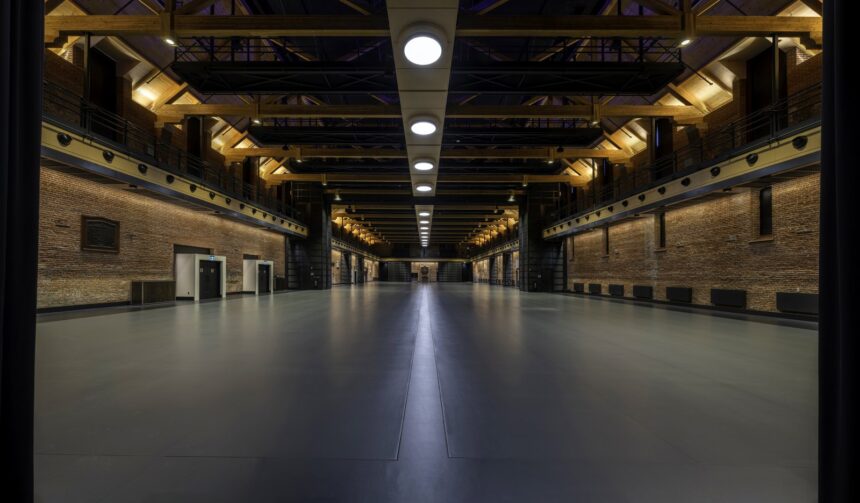
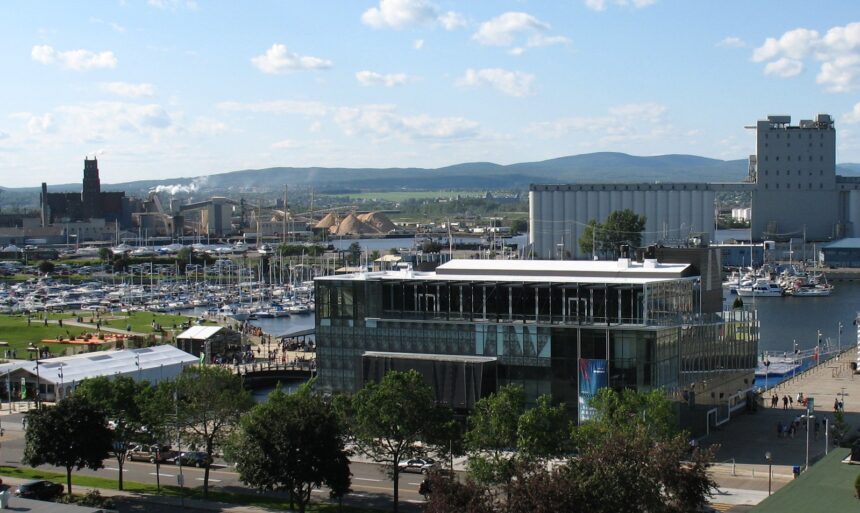
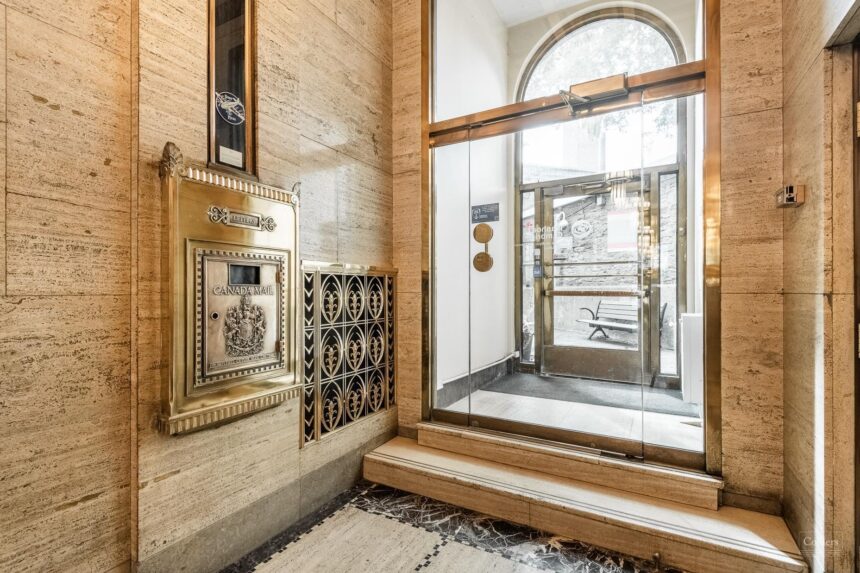
1. Notre-Dame-des-Victoires (1688, Place Royale) (the oldest stone church in Canada, built above the foundations of Champlain’s first Habitation; the interior’s ship model suspended from the ceiling is the finest surviving element of New France ecclesiastical decoration in the Lower Town. 2. Maison Chevalier (1752, Rue Notre-Dame)) the finest surviving New France merchant house, its three connected buildings demonstrating the urban domestic architecture of the prosperous colonial trading class. 3. Holy Trinity Anglican Cathedral (1804, Rue des Jardins) (the first Anglican cathedral built outside the British Isles, modelled on St. Martin-in-the-Fields in London; the interior’s box pews and royal arms over the chancel are the finest surviving colonial Anglican interior in Canada. 4. Hôtel du Parlement (1886, Eugène-Étienne Taché)) Quebec’s Second Empire legislative building, its bronze statues of 30 significant figures in Quebec history reading as a curated statement of the national identity that the building was designed to express. 5. Château Frontenac (1893-1924, Bruce Price and additions) (the most recognisable building in Canada, its château silhouette defining Quebec City’s international visual identity for 130 years. 6. Gare du Palais (1915, Harry Edward Pringle)) the finest surviving CPR château-style railway station east of the Rockies, recently restored and converted to a mixed-use transportation hub. 7. Grand Théâtre de Québec (1971, Victor Prus) (the most architecturally controversial building in Quebec City and the one whose Jordi Bonet concrete mural (1,800 square metres) makes its interior the most visually overwhelming cultural space in the city. 8. Musée de la Civilisation (1988, Moshe Safdie)) the finest contemporary building in Quebec City and the most successful example of heritage-contextual contemporary architecture in Canada: Safdie’s masonry vocabulary, the building’s integration of two heritage structures (the Maison Estèbe and the Entrepôt Thibodeau) and the archaeological crypt visible through the glass floor of the main atrium achieve a heritage-contemporary dialogue that every subsequent major building in Quebec City has failed to equal. 9. Bibliothèque Gabrielle-Roy (1983 renovation, original 1932 post office building) (the conversion of the former federal post office into Quebec City’s central public library, one of the finest adaptive reuse projects in Quebec City’s heritage conservation record. 10. Pavillon Pierre-Lassonde, MNBAQ (2016, Atelier TAG and Koen Van Damme)) the most recent significant addition to Quebec City’s architectural inventory, the glass and steel pavilion whose transparency deliberately contrasts with the masonry of the adjacent Beaux-Arts Pavillon Gérard-Morisset.