The conventional travel advice for Quebec City ( visit in summer, avoid the cold ) misses the city’s most distinctive and most genuinely irreplaceable seasonal experience. Winter in Quebec City is not merely survivable cold weather alongside the same city that summer visitors enjoy; it is a qualitatively different culture, built over 400 years of habitant adaptation to a climate that was simultaneously the most challenging element of colonial life and the most defining force on the culture, the architecture, the food, and the social patterns that make Quebec City unique in North America. The winter visitor who arrives expecting to endure the cold in order to see the heritage city that summer reveals more completely will leave having experienced something that the summer visitor cannot access: the city at its most specifically itself, doing the things that no other city does, in conditions that no other major North American city routinely produces.
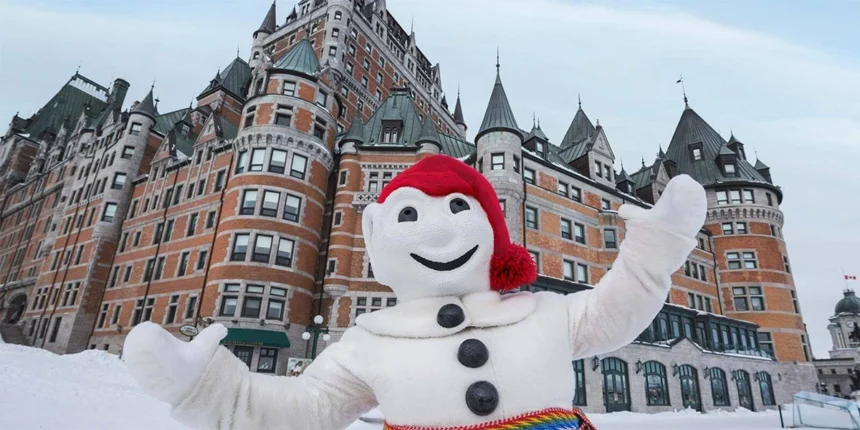
The case for winter: the Carnaval de Québec (11 days in early February, the world’s largest winter carnival ( the Ice Palace, the night parades, the toboggan slides, and Bonhomme Carnaval constitute a cultural event of genuine singular character that no other city on earth produces); the ice canoe race on the St. Lawrence (the Défi des portages, in which teams of 5 carry their canoes over the river ice and row through the open water channels in the most physically demanding river event in Canada ) visible from the Dufferin Terrace in February); the outdoor skating (the Anneau de glace’s 400-metre oval, the various neighbourhood rinks, and the occasional natural ice on the Plains of Abraham ( the finest outdoor skating accessible from any major Canadian city); the sugarbush season (the cabanes à sucre accessible within 30 minutes of the Old City from late February through mid-April ) the most culturally embedded seasonal food ritual in Quebec); and the sheer visual drama of the heritage city in winter (the Château Frontenac above the snow-covered Dufferin Terrace, the fortification walls in frost, the Rue du Petit-Champlain decorated for Christmas in the January light ( the scenes that have made Quebec City’s winter the subject of more iconic photographs than any comparable season in any comparable Canadian city). Practical winter preparation: insulated boots rated to -30°C (the most important single equipment investment), base and mid-layer wool or synthetic thermal clothing, a windproof outer shell, and the understanding that -15°C with low wind is entirely comfortable with proper preparation ) Quebec City’s winters are reliably cold but not dangerously extreme for properly equipped visitors.