The Côte-de-Beaupré‘s apple orchards sit on a narrow strip of fertile land between the Saint Lawrence and the Laurentian foothills. The microclimate, moderated by the river and sheltered from the cold western winds by the plateau, gives the region roughly 150 frost-free days and an autumn extending into early November in good years. The apple industry has exploited these conditions since the 1700s, and the current orchards mix small family operations with commercial producers serving supermarket distribution.
The growing region
Most of the region’s 40 commercial orchards cluster between Château-Richer and Saint-Tite-des-Caps, a forty-kilometre stretch along Route 138 and the older Avenue Royale. The island of Île d’Orléans, just offshore, has an additional 15 orchards concentrated on its warmer southern slope. Combined, the two zones produce roughly seven per cent of Québec’s annual apple crop, a modest share by volume but disproportionately important for the agritourism economy of the Québec City region.
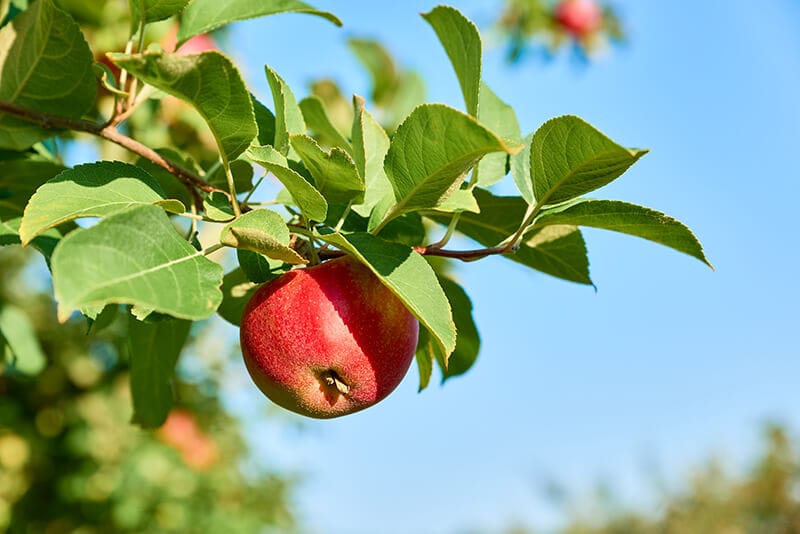
The dominant varieties are McIntosh, Empire, Cortland, Spartan and Lobo. Honeycrisp plantings, which arrived in the region in the early 2000s, now account for a growing share of new plantings. Older orchards still grow varieties that have dropped out of commercial distribution, including Fameuse, a nineteenth-century Québec variety prized for its deep red skin and crisp texture.
The pick-your-own season
Self-pick (autocueillette) orchards open in mid-August for early varieties and continue through late October depending on weather. The peak crowd arrives over the three weekends from mid-September to early October, when McIntosh and Empire reach their best eating condition. Many orchards are at capacity by 11h on those weekends; arriving at 09h gives the best picking conditions and shorter queue times at the weighing station.
Pricing varies by orchard and variety. Most charge C$1.50 to C$2.50 per pound picked, with a minimum purchase of a half-bushel (about 20 pounds). A typical family outing fills one bushel. Some orchards include the bag or the basket in the price; others charge separately. Cash and card are both accepted almost everywhere, though cash moves through the weighing line faster.
Notable producers
Domaine Steinbach, on Île d’Orléans, produces apple cider vinegar and hard cider alongside its pick-your-own operation. Its tasting room runs year-round. Cidrerie Verger Bilodeau in Saint-Pierre-de-l’Île-d’Orléans specialises in ice cider, the concentrated sweet cider made by pressing frozen apples; it has won international competitions since the early 2000s.
On the Côte-de-Beaupré mainland, Verger Pedneault in L’Île-aux-Coudres, Verger du Mont-Sainte-Anne in Saint-Joachim, and the Coopérative de Saint-Tite-des-Caps round out the main commercial producers. Smaller operations, many of them family farms supplementing income with weekend pick-your-own access, dot the back roads between Château-Richer and Saint-Ferréol-les-Neiges.
Beyond the apples
Most orchards have expanded beyond apples alone. Pumpkins, squash and gourds draw families through October. Some orchards offer wagon rides, small corn mazes and on-site cafés serving apple-based pastries. Cidrerie operations, now licensed by the Société des alcools, let visitors taste hard ciders and ice ciders at the farm gate and buy bottles to take home.
The Route des Cidres, a marked driving circuit through the region’s cider producers, takes roughly half a day to complete if you stop at four or five producers. Maps are available at the tourism office at Sainte-Anne-de-Beaupré and online. Designated-driver planning matters: tastings are small but cumulative.
Planning a visit
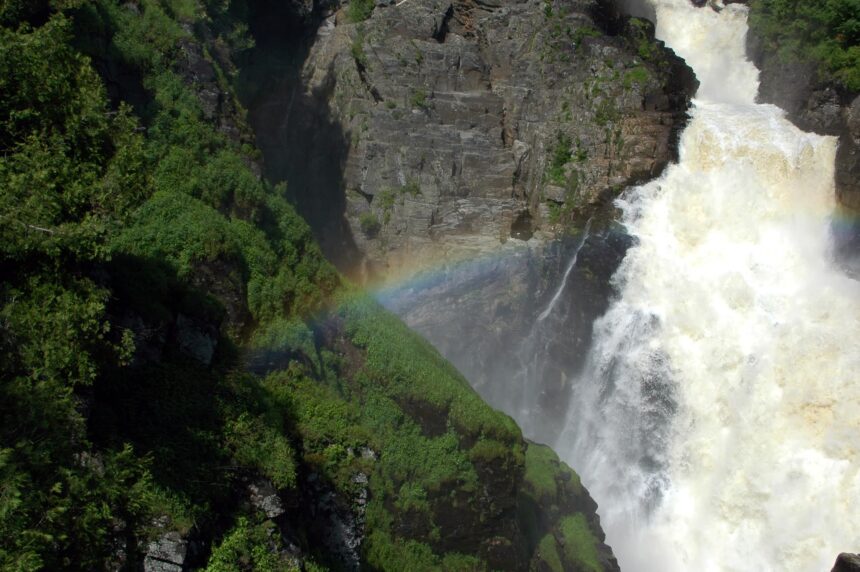
From Québec City, Château-Richer is a thirty-minute drive east on Route 138. A full day combining an orchard stop, lunch in Sainte-Anne-de-Beaupré, and a visit to Montmorency Falls on the return is the standard itinerary. Pack layers; autumn weather in the region can shift from 20°C to 5°C between morning and late afternoon as systems roll through from the north.
Cellphone coverage is reliable along Route 138 but thins on back roads leading up to the orchards in the hills. Most producers publish daily updates on picking conditions on their Facebook pages; checking the evening before a weekend visit helps avoid driving to an orchard that has closed for the season or run out of the variety you wanted to pick.