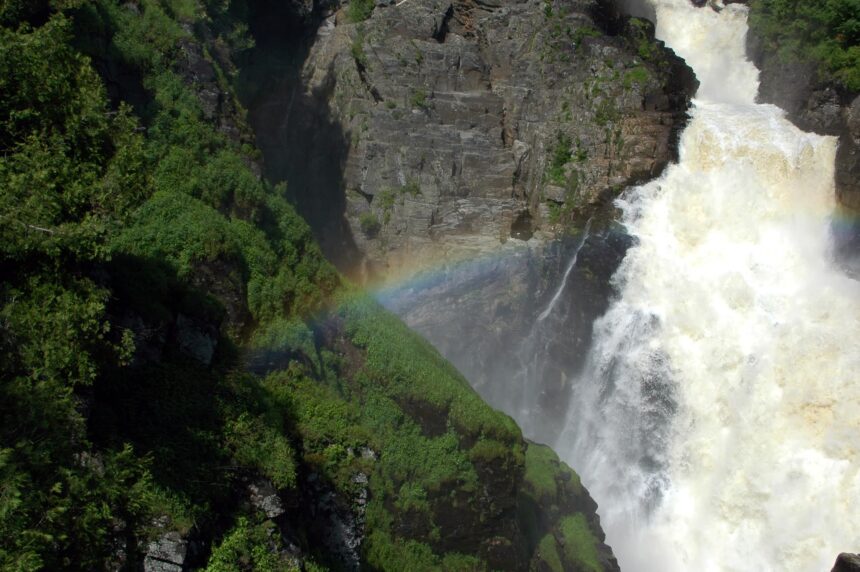
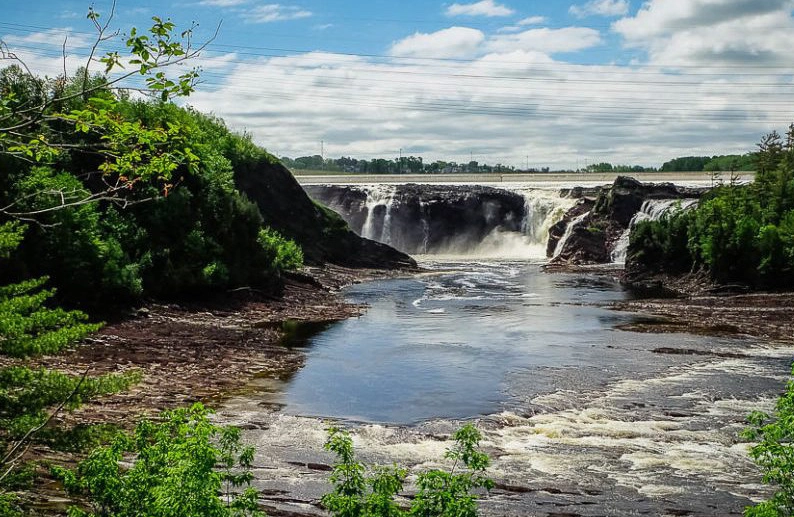
Île d’Orléans sits in the St. Lawrence River directly downstream of Quebec City, accessible by a single bridge from the Beauport shore of the mainland. The island is 34 kilometres long, 8 kilometres at its widest, and home to six parish villages: Sainte-Pétronille (west tip), Saint-Laurent, Saint-Jean, Saint-François, Sainte-Famille and Saint-Pierre. Route 368 forms a single loop around the perimeter and completes in approximately 90 minutes of driving at a moderate pace without stops.

History and origins
The island’s settlement history is what gives it a disproportionate place in Quebec family trees. Permanent colonization began in 1651, and by the early 1700s roughly 300 families had established themselves along the parish belts. Demographic studies by genealogists at the Programme de recherche en démographie historique of the Université de Montréal estimate that 40 to 50 percent of living French-Canadians can trace at least one ancestor to an early Île d’Orléans settler. For many Quebec visitors with ancestry questions, the island’s parish registers at the local churches and at the Bibliothèque et Archives nationales du Québec are the starting point for family research.
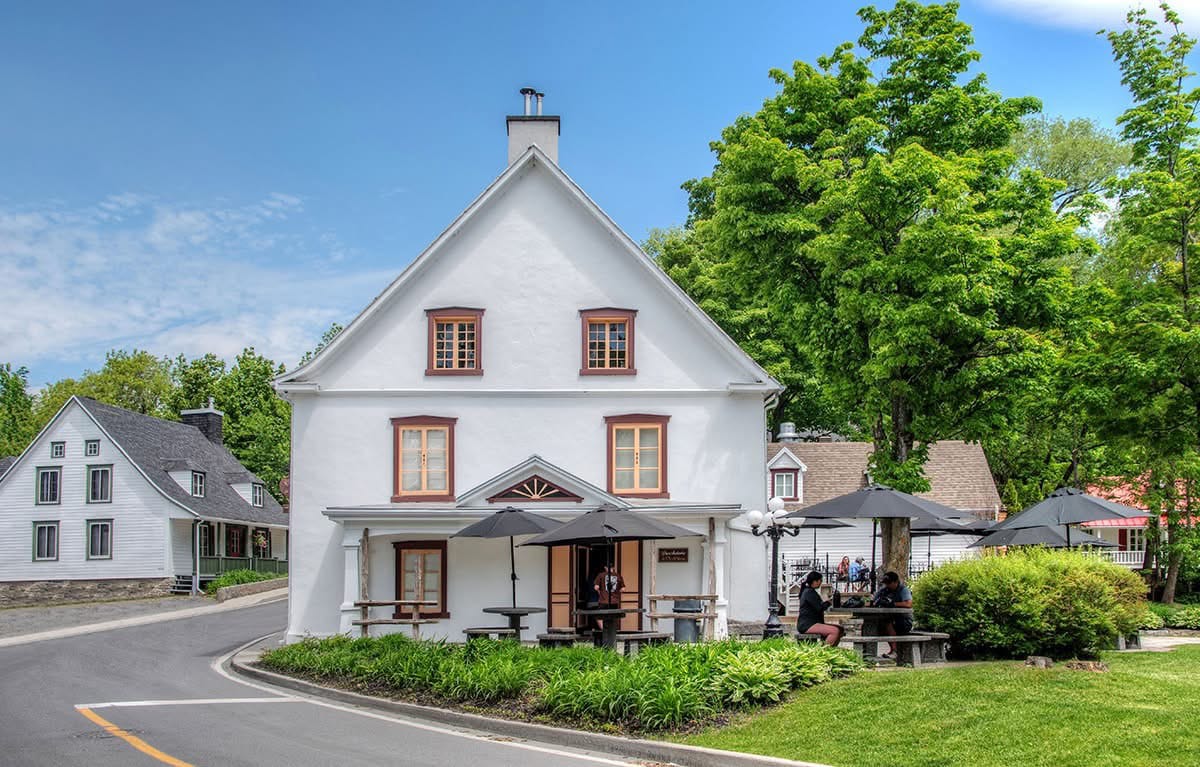
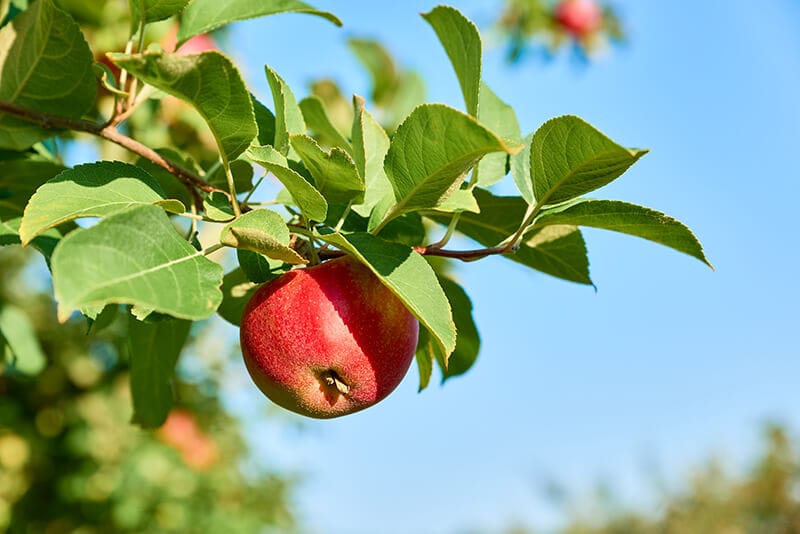
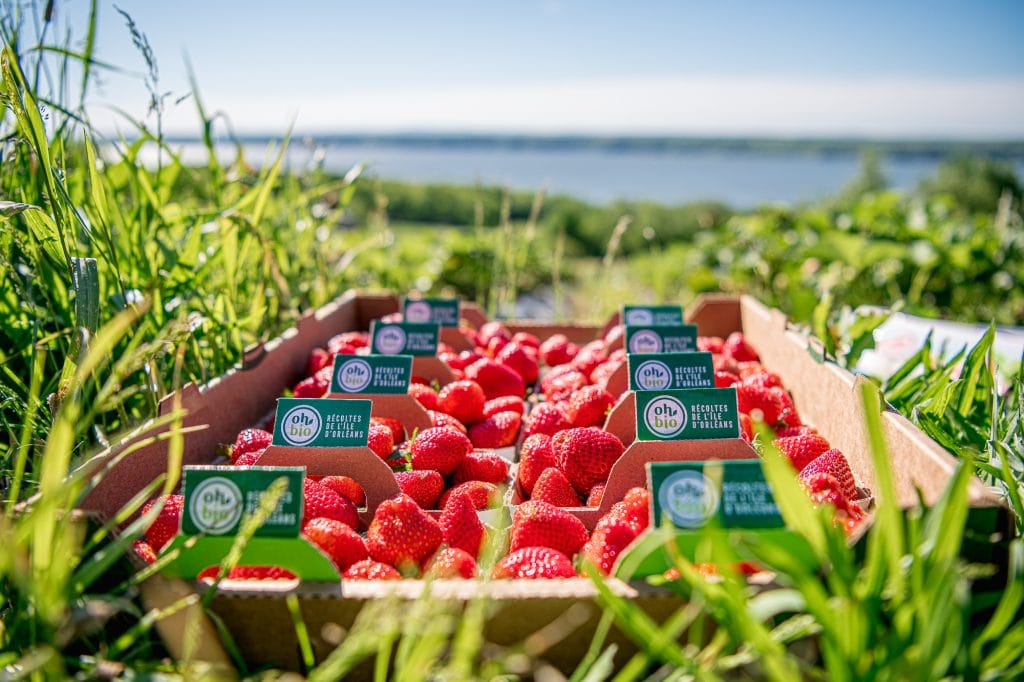
Agriculturally, the island continues to function as a working food region. Strawberry and apple production dominates. The Chocolaterie de l’Île d’Orléans in Sainte-Pétronille produces small-batch chocolate; Cassis Monna & Filles in Saint-Pierre has been making blackcurrant liqueurs and ciders since the 1990s on a family farm that has drawn serious interest from Paris and Burgundy wine buyers. The Vignoble Sainte-Pétronille on the western tip produces cold-climate whites that punch above their weight. Each of these is a viable lunch-or-tasting stop on the loop drive.
Where to stay and eat
Accommodation on the island skews toward small auberges and bed-and-breakfasts rather than hotels. The Auberge La Goéliche in Sainte-Pétronille sits on the western tip with panoramic views of Quebec City across the channel. The Auberge Le Canard Huppé in Saint-Laurent has been operating since the 1980s and offers reliable comfort in a quieter setting. Restaurants tend to close at 9 PM; this is not an evening destination unless staying overnight.
The public works context worth knowing is the bridge replacement project. The 1935 bridge that carries Route 368 is being replaced by a cable-stayed span about 2.1 kilometres long, set roughly 120 metres to the west; the ministry puts the project at $2.759 billion, of which $1.881 billion is the design-build contract. Do not plan around an opening date: the commissioning originally set for 2028 will be postponed, the schedule is under revision with the contractor, and no new date has been published. Dismantling the current bridge is part of the project, and the ministry gives no date for it either. Work is under way on both approaches, so check Québec 511 for current closures before you drive out. The new bridge is to carry one lane in each direction with wide shoulders, plus a multi-use path on either side of the roadway and belvederes for people on foot and on bicycles.