Summer cycling in Québec City runs from roughly late April, when the last snow clears from the protected cycle paths, to mid-October, when the first hard frosts tend to coincide with the end of the leafy shade that makes afternoon rides tolerable. The peak season is June through August, and for those three months the combination of long daylight, dry tarmac, and the completed river-edge infrastructure makes this arguably the best mid-sized Canadian city for a visitor on a bike.
Getting there
The signature ride is the Promenade Samuel-De Champlain, 7.5 kilometres of fully separated cycle track along the St. Lawrence. A round trip is 15 kilometres and flat. Start at the Parc de la Plage-Jacques-Cartier, where parking is free and an àVélo share station sits fifty metres from the trailhead, and ride west to the Quai des Cageux. Benches, water fountains, and public toilets appear every kilometre or so. The trail is busy on weekends between 10.00 and 16.00 and considerably quieter on weekday mornings.
The other principal summer route is the 22-kilometre Corridor des Cheminots, running north from Limoilou on a former railway grade. Because it was built on rail, the gradient never exceeds two percent, which makes it accessible to children, casual cyclists, and riders returning from injury. The corridor passes through wooded sections of the Charlesbourg and Stoneham suburbs and ends at the Parc de la Rivière-Jaune, a reasonable turnaround for a morning ride.
What sets it apart
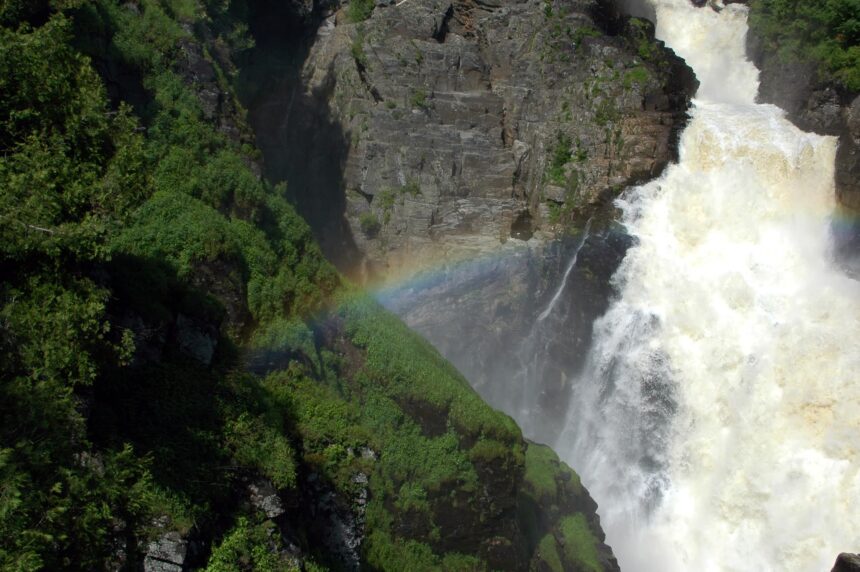
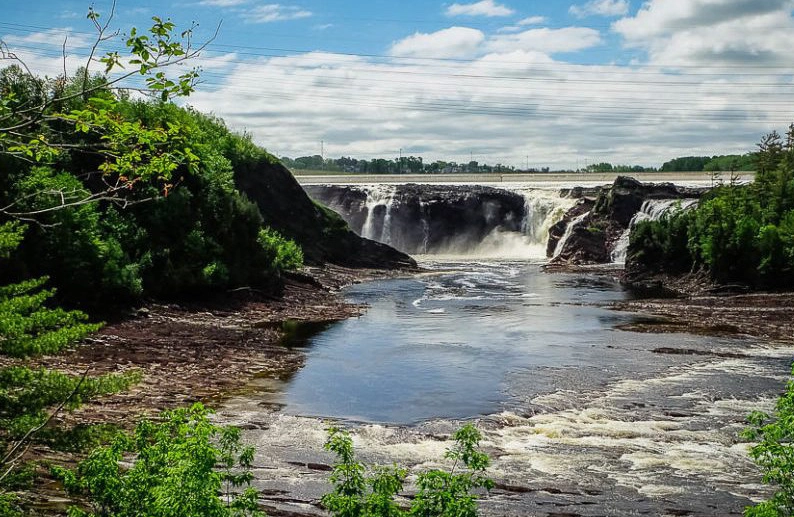
For more ambitious rides, the Route verte continues east past the Chutes Montmorency all the way to Cap-Tourmente, a 55-kilometre one-way trip that becomes a serious day. Most cyclists either turn around at Château-Richer, roughly 30 kilometres out, or arrange a car pickup at Saint-Joachim. The return by bicycle into a typical westerly afternoon wind can add an hour to what was a pleasant outbound morning.
The Île d’Orléans loop is the classic day ride. Sixty-seven kilometres of mostly flat country roads circle the island, passing orchards, strawberry farms, wineries, and several food stops that cater to cyclists in summer. The Domaine Steinbach makes a reliable lunch. The Cassis Monna et Filles is the traditional tasting stop. Traffic can be heavy on weekends; a weekday ride is noticeably calmer. The pont de l’Île is open to cyclists on both directions of the access road, though the bridge itself has no cycle lane and requires riding in the right-hand car lane for the 600-metre span.
Rental is straightforward. Cyclo Services, in the Vieux-Port, handles most of the English-speaking tourist demand and rents hybrid bikes at $35 a day, road bikes at $60, and electric-assist bikes at $50. Delivery to hotels in the old city is free. Ecolocyclo in Saint-Roch runs a similar operation. The àVélo bike share is cheaper for short trips but not generally useful for the full-day rides described here, since individual segments are capped at thirty minutes before additional charges kick in.
Seasonal character
The summer weather is the complication. Québec summers are warmer than many visitors expect, with afternoon highs routinely at 28 to 30 degrees in July. Humidity can push apparent temperatures higher. Thunderstorms, often afternoon convective cells, arrive quickly and are the main safety concern; carrying a rain jacket in a small saddle pack is standard practice. Biting insects are less of a problem in the city than in rural rides, though the Corridor des Cheminots north of Charlesbourg has noticeable black flies in late May and early June.
For children, the best rides are the fully separated Samuel-De Champlain promenade, the first ten kilometres of the Corridor des Cheminots, and the eastern end of the Corridor du Littoral. The ramparts circuit around the old city, often suggested in guidebooks, is not a serious cycling route; too many pedestrians, too many stairs, and too many narrow sections.
Safety and caution
Safety information is worth reading before departure. Helmets are strongly recommended but not legally required for adult cyclists in Québec. Québec law requires lights and a reflector for night riding. The provincial code permits cyclists to treat stop signs as yield signs in many cases, but not red lights. Drivers in Québec City are, by Canadian standards, reasonably patient with cyclists, though right-hook collisions at intersections remain the most common crash type and the most avoidable.
For a first-time visitor with a single summer morning for cycling, the Samuel-De Champlain promenade out and back, with a coffee stop at Café Olympique in Limoilou afterward, is the most reliable combination of low difficulty, high scenery, and easy logistics.