Quebec City’s climate is continental humid ( characterised by cold, snowy winters, warm summers, and transitions of genuine dramatic quality in spring and fall. The city sits at 46.8°N latitude, between the moderating influence of the St. Lawrence River and the cold air masses that descend regularly from the Canadian Arctic. Annual average temperature is approximately 4.4°C; annual precipitation is approximately 1,190 mm, of which approximately 310 cm falls as snow ) giving Quebec City one of the most substantial urban snowfalls in Canada while remaining significantly below the records of cities like Quebec’s Saguenay or Lac-Mégantic.
Winter (December-February)
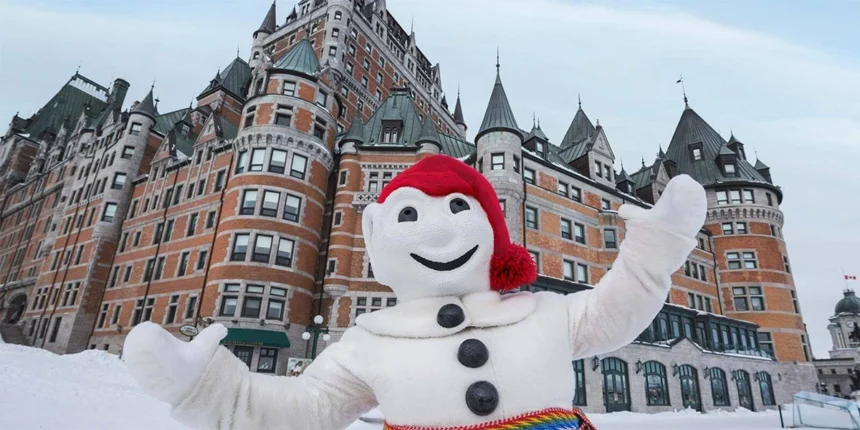
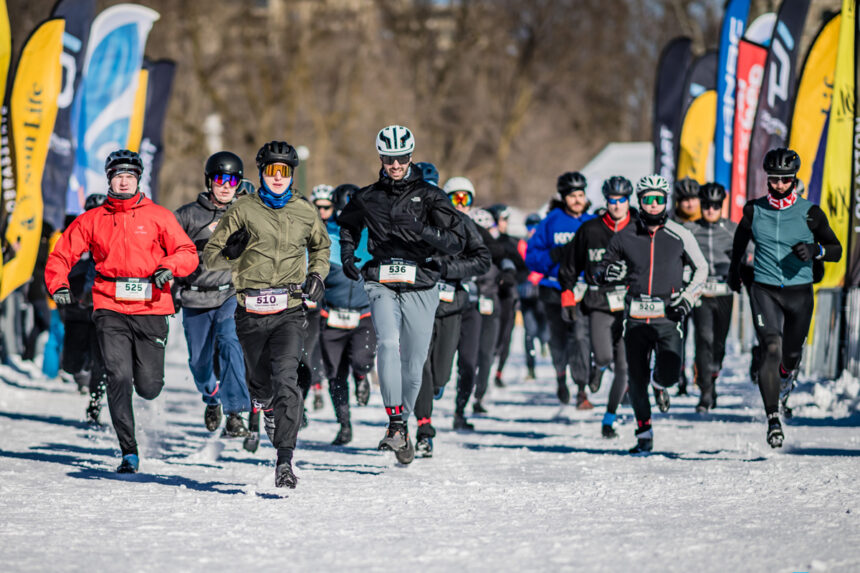
January is the coldest month: average high -9°C, average low -19°C, with occasional extremes below -30°C during Arctic air outbreaks. Snow is frequent and persistent Quebec City maintains a continuous snow cover from approximately late November through late March most years. The city’s snow clearing operation is among the most efficient in Canada; major arterials are cleared within hours of significant snowfall. February brings the Winter Carnival (February 6-15 in 2026) and the city at its most committed to the season’s pleasures.
Spring (March-May)
March is the transition month ( temperatures oscillate above and below freezing, producing the freeze-thaw cycles that drive the maple sap run (mid-March to mid-April) and that make road surfaces and sidewalks genuinely hazardous on refreezing nights. April sees the river ice break and move downstream, often spectacular from the Dufferin Terrace. May is genuinely warm: average highs reach 18°C by month end, and the terrasse season begins ) Quebecers eat outside at temperatures that would be considered inadequate for outdoor dining in warmer climates.
Summer (June-August)
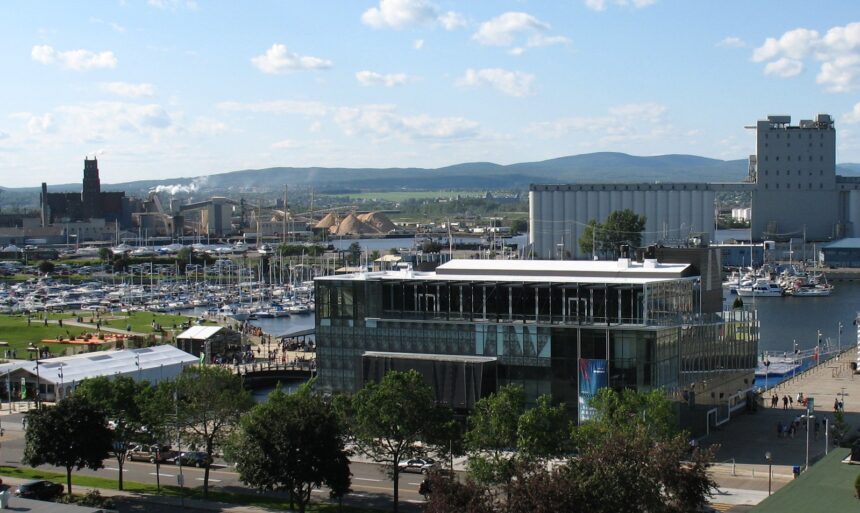
July is the warmest month: average high 26°C, average low 15°C, with occasional heat waves pushing temperatures above 30°C with high humidity. The Festival d’été de Québec (July 9-19, 2026) runs during the peak summer period. Summer in Quebec City is genuinely warm and active the combination of long daylight hours (the sun sets after 8:30 PM in June), warm temperatures, and the extraordinary outdoor infrastructure of the Plains of Abraham and the Promenade Samuel-de-Champlain makes it one of the finest urban summer environments in Canada.
Fall (September-November)
Quebec City’s fall foliage ( peaking in late September and early October in the urban area, slightly earlier in the Laurentian highlands ) is among the most dramatic in Canada. The Parc de la Jacques-Cartier and the Charlevoix region reach peak colour typically in late September. October is pleasant: average highs around 13°C, sunny and crisp. November marks the transition: temperatures drop below 0°C, the first snowfalls arrive, and the city begins its winter preparation. Heating systems restart, snow tires go on (mandatory by December 1 under Quebec law), and the seasonal rhythm shifts toward the indoor pleasures and outdoor winter activities that define the next five months.