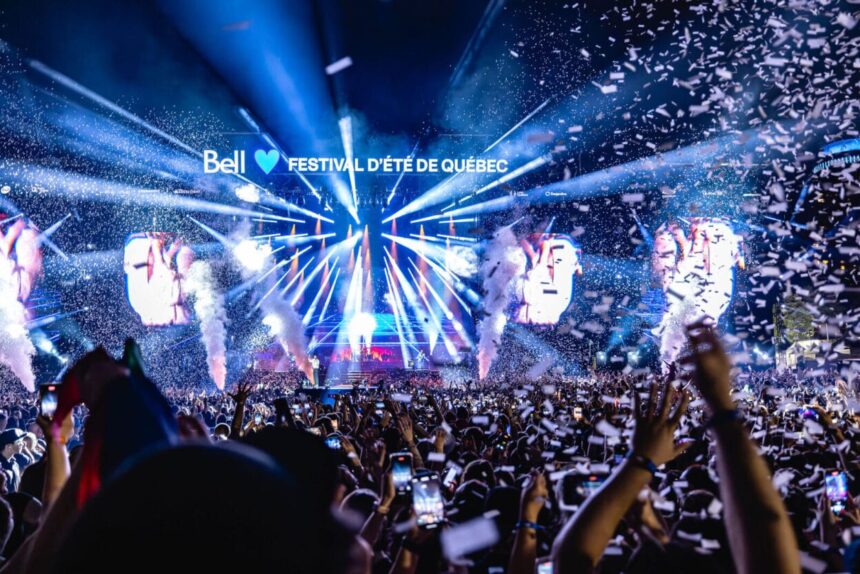
Once a year, for 11 days every July, Québec City stops being a historic tourist destination and becomes something different: the biggest music festival in North America. The Festival d’été de Québec — known universally as FEQ — draws 1.5 million attendees, runs 300+ performances across 10+ venues, and consistently books headliners that would anchor any major festival anywhere in the world. Metallica. Pearl Jam. Billy Joel. The Chainsmokers. Imagine Dragons. Shawn Mendes. The Who. Foo Fighters.
If you’re visiting Québec City between early July and mid-July, FEQ isn’t just one option among many — it’s the dominant cultural event that will shape your entire trip, whether you engage with it or avoid it.
Here’s the complete insider’s guide.
The Basics
FEQ runs for 11 consecutive days each July, typically starting the first Thursday of the month. The 2026 edition will be the festival’s 58th.
The main venue is the Plains of Abraham, where a massive outdoor stage is constructed for the festival’s biggest acts. Secondary venues include:
- Place George-V near the Parliament
- Scène Hydro-Québec on the Plains
- Place D’Youville
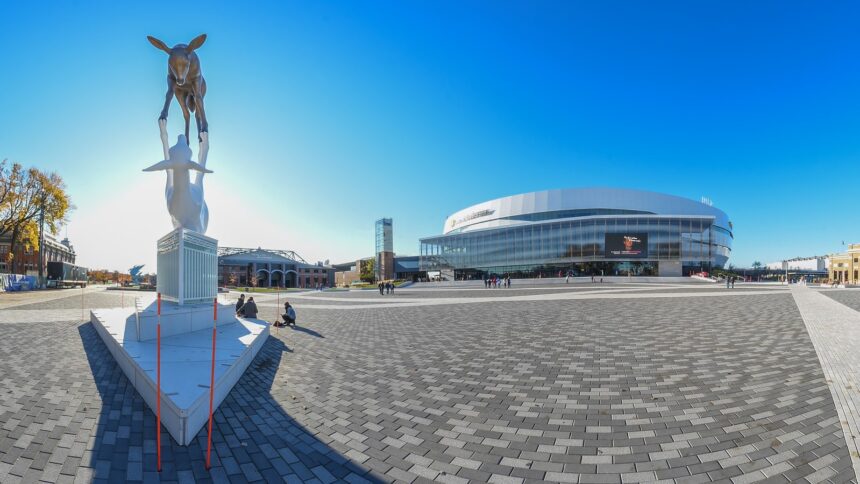
- Impérial Bell (indoor venue for specific acts)
- Various smaller stages throughout the festival zone
Unlike most major festivals, FEQ is not on a closed festival site. Many of the venues are in public spaces you can walk through, and the festival transforms large portions of central Québec City into a cohesive music district.
The Pass System
The single most important financial fact about FEQ: one pass gets you into every show across all 11 days, across all venues, including the massive Plains of Abraham headliners. The full pass has historically run around $110-130 CAD, which is absurdly good value given the lineup.
Passes are released in waves, with early-bird prices lower than at-the-door prices. Buy early — months in advance — for the best pricing.
Day passes are sometimes available for specific individual days but are more expensive per-day than the full pass and don’t guarantee access to sold-out shows.
The pass is a physical wristband you wear throughout the festival. Don’t lose it.
The Headliner Experience on the Plains
The Plains of Abraham main stage hosts the biggest acts, typically 8:30-11 PM slots. These are massive outdoor shows — imagine 80,000-100,000 people in a grass field, stage in front of you, the city skyline behind.
The sound quality is excellent (significant acoustic engineering investment). The crowd is enthusiastic without being dangerous. Security is visible but not oppressive.
Positioning: If you want to be close to the stage, arrive 4-5 hours before showtime for top headliners. The general admission area fills from the front. Mid-field positioning (50-100 metres back from the stage) offers better air flow, easier bathroom access, and less crowd density, with still-excellent sound.
The VIP options (Gold Circle, etc.) offer elevated platforms, better views, and private bars. They’re additional cost beyond the main pass. Worth it for dedicated fans; unnecessary for casual festivalgoers.
The Smaller Venues
Beyond the Plains, FEQ’s smaller venues offer a different experience:
Place D’Youville hosts mid-tier acts in an intimate urban square. Closer to the performers, more atmosphere, more Québec-flavoured vibe.
Scène Hydro-Québec on the Plains serves as a second major stage with its own excellent lineup — often featuring strong Québec artists alongside international acts.
Place George-V offers another mid-tier venue with character.
The indoor venues (Impérial Bell, smaller rooms) often book acoustic, jazz, or specialty genre acts.
A substantial portion of the festival experience is moving between these venues over the course of a single evening, catching parts of multiple shows.
How to Plan Your FEQ Experience
Before the Festival
- Book accommodation 4-6 months in advance. Hotels double or triple rates during the festival.
- Study the lineup before releases. Make your must-see list.
- Buy your pass early for best pricing.
- Plan transportation into and out of the city. Book flights early.
Daily Rhythm
A typical FEQ day:
- Morning: Sleep in. You were up late last night.
- Noon: Lunch at a Québec restaurant not in the festival zone (many are overwhelmed during FEQ).
- Afternoon: Smaller venue shows, Old Québec exploration, or actual tourism.
- Early evening: Dinner, preferably early (5:30-6:30 PM) to avoid the rush.
- Evening: Festival shows. Plains headliner typically starts 8:30 or 9 PM.
- Late night: Post-show activities, bars, or more festival shows running later.
Pacing
Eleven days is long. Most attendees don’t try to see every show. Pick your priorities — maybe 2-3 headliners you absolutely won’t miss, plus whatever else catches your interest in those evenings. Take rest days. Alternate big shows with lighter experiences.
The Logistics
Getting to the Venues
Most festival venues are within walking distance of central Québec City accommodations. The Plains of Abraham is a 15-20 minute walk from Old Québec.
Bicycles and scooters are often useful during the festival as streets get congested.
Taxi and rideshare surge during headliner periods. Plan walking when possible.
Food and Drink
FEQ has robust on-site food and beverage options, though prices are festival-elevated. Multiple food trucks, beer and wine gardens, and specialty vendors operate throughout the venues.
You can also eat at Old Québec restaurants outside the festival zone — many reach capacity, but options exist.
Water is the most important thing to carry. Québec summer heat combined with crowds is genuinely dangerous without hydration. Bring a reusable bottle; many venues have refill stations.
Weather
Québec July weather is generally good but unpredictable. Highs 20-28°C, with occasional afternoon thunderstorms. Rain rarely cancels headliner shows unless severe; bring a light jacket and be prepared to stand in light rain.
The Québec Artist Angle
FEQ is an international festival but also a genuine showcase for Québec artists. The smaller venues, especially, feature serious Québec musicians you won’t hear elsewhere. Some notable regular features:
- Québec-language rock and alternative acts on Scène Hydro-Québec
- Francophone folk and traditional music at smaller venues
- Jazz programming at indoor locations
- Indigenous musicians in dedicated slots
For many Québec music fans, these local-focused shows are actually the best parts of FEQ, more than the international headliners.
What to Wear
Day: Comfortable clothes, walking shoes, sun protection. Lightweight layers.
Evening: Sturdy shoes (you’ll stand for hours), light jacket for cool evenings, sun protection for early shows.
Rain option: Light waterproof jacket.
Avoid: Heavy bags (security checks slow entry), flimsy sandals, anything fragile.
FAQ
Is FEQ all-ages?
Yes, though many headliner shows are intense. Kids 12+ generally handle it well. Younger kids may find it overwhelming.
Is it safe?
Very. Québec City is safe generally, and FEQ has strong security. Crowd management is professional.
Can I just buy tickets for one show?
Not really. FEQ operates on the pass system. Some specific high-demand shows have had individual ticket options but the pass is the standard.
Do I need French?
No. Most artists perform in their native languages; announcements are bilingual; festival staff speak English.
How does FEQ compare to other major festivals?
In terms of value, FEQ is arguably the best major festival deal anywhere — headliner access for a fraction of what Coachella or Lollapalooza cost. Lineup quality is comparable to major international festivals.
Is Québec City worth visiting during FEQ if I don’t plan to attend?
Yes, but expect higher prices, more crowded restaurants, and a transformed city atmosphere. Many visitors find the festival energy actually enhances a non-festival Québec trip.
Final Word
Festival d’été de Québec is one of the best festival deals in North America — extraordinary lineup, substantive venues, reasonable pricing, and a setting that most other festivals can’t match. If you love music and you’re planning a summer Québec visit, time it around FEQ. If your dates are fixed and they miss it, there are events throughout the year worth building a trip around instead. The festival doesn’t just add to a Québec trip — it transforms what the trip is. Plan early, pace yourself, and prepare for 11 days that will rearrange your opinion of what a festival can be.