Limoilou, the residential neighbourhood stretching north of the Saint-Charles River and east of Autoroute Laurentienne, has undergone more demographic and commercial change over the last fifteen years than any other quarter in Québec City. The district’s early-20th-century housing stock of duplexes and triplexes with external staircases, historically occupied by working-class francophone families employed in the nearby industrial belt, has progressively drawn younger professionals and families priced out of Montcalm and Saint-Jean-Baptiste. The shift is visible in the commercial tenant mix along 3e Avenue, the district’s main spine.
What to order
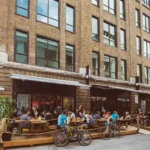
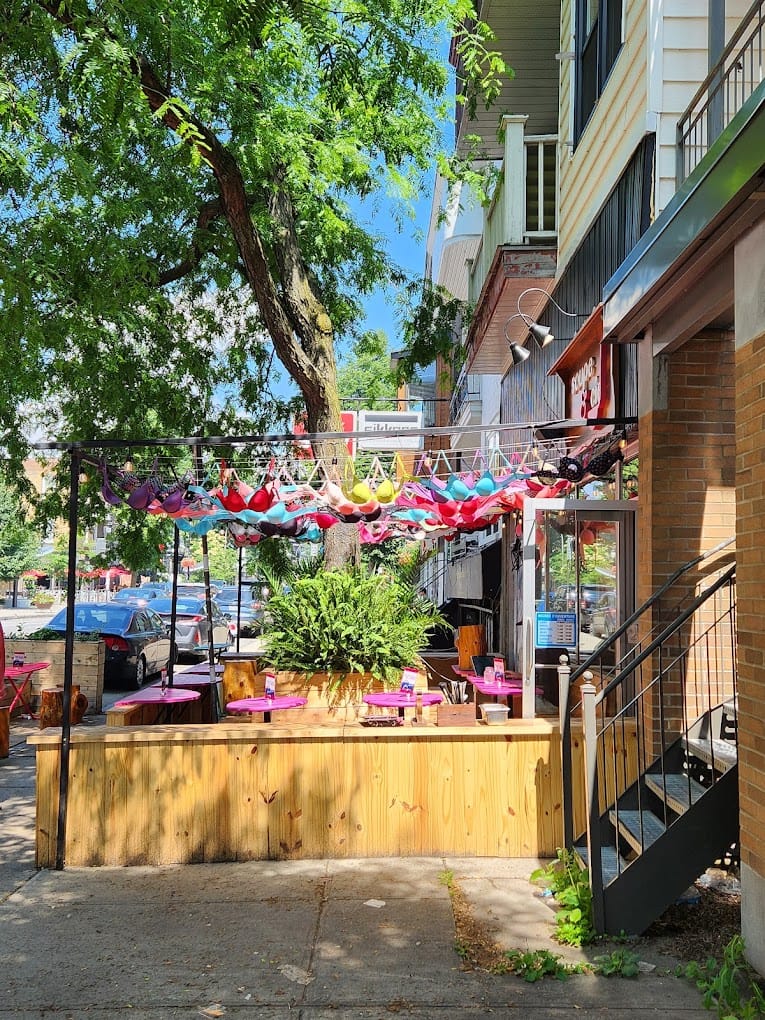
3e Avenue, running north-south through Vieux-Limoilou between 4e Rue and 18e Rue, is the clearest index of the neighbourhood’s transition. Independent coffee shops (Nektar, Cantook, Brûlerie St-Roch’s Limoilou location), specialty food retailers, a bookshop, two bakeries, three brunch-oriented restaurants, and a growing concentration of restaurants serving dinner through 10 PM have joined the longstanding dépanneurs, dry cleaners, and family-restaurant tenants that historically defined the strip. The result reads less gentrified than Saint-Roch‘s Rue Saint-Joseph and more authentically mixed-use than the tourist-oriented Old City; it represents a category of commercial street uncommon in Canadian cities of Quebec’s size.
Events and programming
Housing affordability concerns have accompanied the evolution. Average single-family home sale prices in Limoilou rose from approximately $210,000 in 2015 to approximately $425,000 in 2025, an 8 percent compound annual rate that outpaced the broader Quebec City metropolitan market and substantially outpaced wage growth. Rental pricing has followed the same trajectory. The Action-Habitation-coordinated social housing projects in the neighbourhood (including several cooperative housing complexes built in the 2010s) have helped moderate the displacement pressure but have not resolved it.
The municipal political implications are meaningful. Limoilou’s Vieux-Limoilou sub-district elected Jackie Smith of Transition Québec to the city council in 2021, one of the first left-wing victories in a neighbourhood that had long produced consistent Équipe Labeaume and then centrist-leaning municipal politics. The Smith caucus has consistently pushed for higher social housing commitments and more constraining residential development regulation than the Marchand administration has been willing to adopt. The 2025 municipal election returned Smith to her seat; the continued visibility of Transition Québec as a competitive third-way municipal party is one of the more notable current features of Quebec City’s political landscape.