Trois-Rivières (the city of approximately 140,000 at the confluence of the St. Maurice River and the St. Lawrence, 130 kilometres west of Quebec City via the Autoroute 40 (approximately 1.5-hour drive), founded in 1634 as the third permanent settlement in New France after Quebec City and Montreal) is one of the most historically significant and most undervisited cities in Canada: a city whose 390-year heritage includes the first iron works in Canada (Les Forges du Saint-Maurice, founded 1730, now a national historic site), a remarkable concentration of 18th-century heritage buildings in its Old City (which survived the 18th century without the urban fires that destroyed so much heritage in Quebec City and Montreal), and the Parc national de la Mauricie 70 kilometres north, one of the finest lake and river wilderness parks in the Quebec national park system. Combined into a day trip or weekend from Quebec City, Trois-Rivières and the Mauricie provide one of the most diverse and most rewarding regional excursions accessible from the capital.
Old Trois-Rivières
Old Trois-Rivières (the heritage core around the Rue des Ursulines, the Parc Champlain waterfront, and the historic district that the city has been developing as a tourism destination since the 1980s) preserves a remarkable concentration of 18th-century stone heritage buildings that survived intact because of the city’s industrial rather than commercial development trajectory (the pulp and paper industry that dominated Trois-Rivières’ economy in the 20th century did not require the demolition of the heritage fabric that commercial redevelopment in Quebec City and Montreal periodically required). The Cathédrale de l’Assomption (1854), the Ursulines Museum (in the former convent dating to the 1700s), and the heritage commercial buildings of the central district collectively provide a heritage walking experience that rivals Old Quebec City in historical depth if not in tourist infrastructure development.
Les Forges du Saint-Maurice
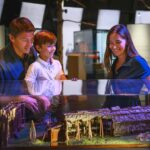
Les Forges du Saint-Maurice national historic site (14 kilometres north of Trois-Rivières’ urban centre, on the Saint-Maurice River) preserves the archaeological and structural remains of the first industrial complex in Canada: the iron foundry established in 1730 that operated continuously until 1883, producing cannon balls, stoves, kettles, and the utilitarian iron products that New France and subsequently British North America required. The site’s interpretation program (featuring the authentic blast furnace (the Grande Maison, preserved as a heritage structure), the workers’ village remains (the stone foundations and the documentary evidence of the community of 300-500 workers and families who lived at the forge site at its peak), and the costumed interpretation that brings the forge’s operations to life for visitors) provides one of the finest industrial heritage interpretation programs accessible from Quebec City as a day or half-day excursion.
Parc national de la Mauricie
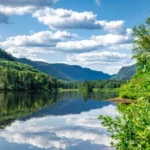
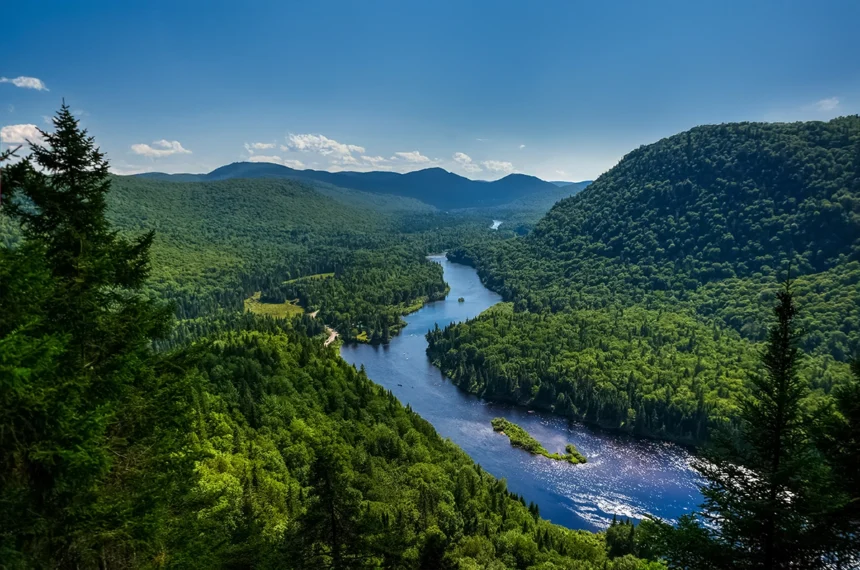
Parc national de la Mauricie (536 km² of Laurentian lake and river wilderness, approximately 70 kilometres north of Trois-Rivières (and 200 kilometres from Quebec City), accessible via the Route 55 and Route 351 from Shawinigan) is one of the finest multi-day canoe camping parks in eastern Canada: the park’s 150+ lakes and the rivers connecting them provide the paddling circuit infrastructure for 2-7 day wilderness canoe trips through a landscape of Precambrian Shield terrain that is accessible from a major city (Montreal is 200 km south, Quebec City is 200 km east) while providing a genuinely remote wilderness experience once in the interior. The park’s portage trail network, the backcountry campsite system maintained by Parks Canada, and the canoe circuit maps available at the park’s entry stations provide the infrastructure for canoe camping of genuine quality without the logistics challenges of more remote parks. Combined with a stop in Trois-Rivières, a Mauricie canoe trip provides the most complete “city and wilderness” day or weekend experience accessible from Quebec City in the westward direction.