Quebec City is unlike any other destination in North America. A UNESCO World Heritage Site, the only walled city north of Mexico, home to one of the world’s great winter festivals and yet somehow still undiscovered by millions of travelers who would love it. This is your complete guide to visiting Quebec City in 2026.
Why Quebec City in 2026?
Quebec City is having a moment. New hotels, a booming restaurant scene, major infrastructure investments, and a growing international profile have made it one of the most talked-about cities in travel circles. Flight connections have expanded, making it more accessible than ever from Europe, the US, and beyond.
When to Visit
Winter (December–March) is Quebec City’s most iconic season. The Old City transforms into a fairy-tale landscape of snow-covered stone buildings, the famous Winter Carnival draws half a million visitors, and the Ice Hotel (Hôtel de Glace) is rebuilt each year just outside the city.
Summer (June–August) brings warm weather, outdoor festivals, terrasse dining, and the city’s most lively nightlife. The Festival d’été de Québec attracts top-tier musical acts.
Fall (September–October) is arguably the most beautiful season the foliage around the city is spectacular, the crowds are thinner, and the weather is crisp and pleasant.
When is the best time to visit Québec City?
Late September to mid-October is the best all-round month: the foliage is at its peak, the terrasses are still open, and the summer crowds have gone. Early February is the best time for the city at its most characteristic — Carnaval, snow on the fortifications, the Hôtel de Glace — if you can handle real cold. July is the liveliest and the most expensive. November and the weeks after Carnaval are the cheapest, and the city belongs to the people who live in it.
| If you want… | Go in | Trade-off |
|---|---|---|
| Foliage and mild weather | Late Sept – mid Oct | Shorter days, cool evenings |
| Winter Carnaval and snow | Early February | Genuine cold; book early |
| Festivals and long evenings | July | Peak prices and crowds |
| Low prices and quiet streets | November, late February | Grey weather, fewer terrasses |
Each season is covered in depth: winter, summer and autumn foliage.
Where to Stay
The Old City (Vieux-Québec) is where most visitors want to be. The iconic Fairmont Le Château Frontenac dominates the skyline and remains one of the most photographed hotels in the world. For boutique experiences, Auberge Saint-Antoine in the Old Port district offers exceptional service and one of the city’s best restaurants. Those looking for modern luxury should consider the newer properties in Saint-Roch, the city’s creative quarter.
What to Do
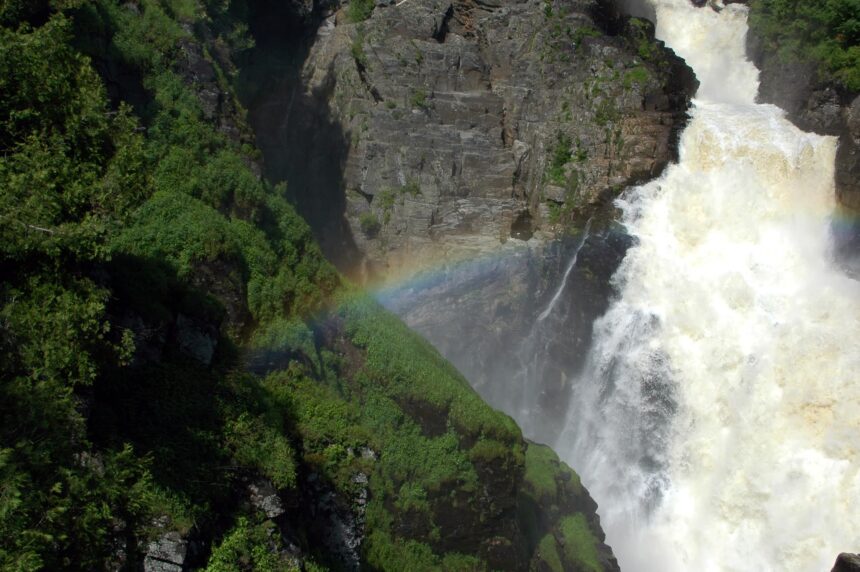
Walk the ramparts of the fortified Old City. Visit the Plains of Abraham, site of the battle that changed North American history. Explore the Old Port and the emerging Saint-Roch neighborhood. Take the ferry across the St. Lawrence to Lévis for the best view of the city skyline. Day-trip to Montmorency Falls ( taller than Niagara ) just 15 minutes from downtown.
Getting There
Quebec City Jean Lesage International Airport (YQB) connects directly to major US cities, Toronto, and select European destinations. Air Canada and Air Transat operate the main routes. From Montreal, the drive takes about 2.5 hours, or you can take the VIA Rail train in under 3 hours.
The Essentials
Language: French is the official language, but English is widely spoken in tourist areas. Currency: Canadian dollar (CAD). Time zone: Eastern Time (ET). Best neighborhoods: Vieux-Québec (Haute-Ville and Basse-Ville), Saint-Roch, Limoilou.
Start here
This guide is the overview. The detail lives in these:
- Where to stay: hotels in Old Québec and beyond, and the neighbourhood comparison if you are staying more than three nights.
- What to do: the essential list, or summer specifically.
- Where to eat: the best restaurants in the city and what is worth eating inside the walls.
- The old city itself: Vieux-Québec explained, and the walking route to see it on foot.
- How long to give it: 48 hours or three days.
- Getting around: transport, and driving and parking if you arrive by car.