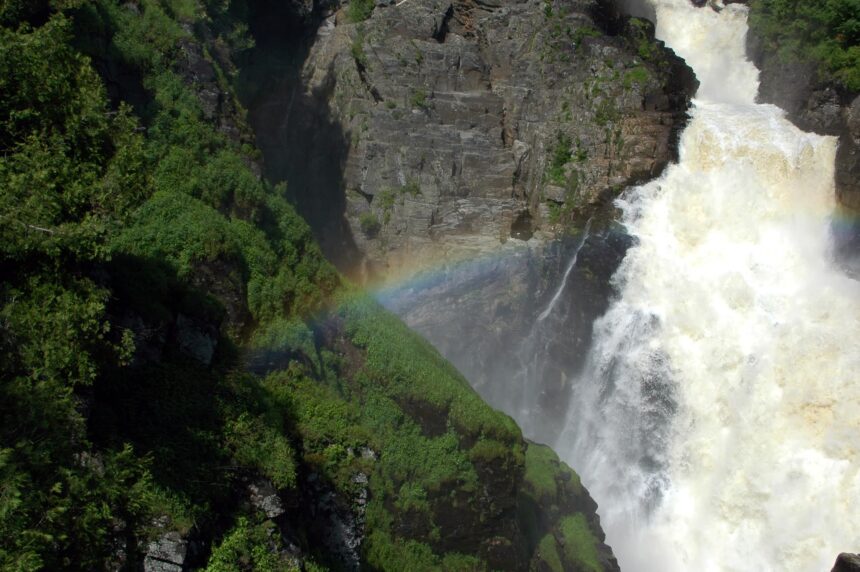
The Réserve faunique des Laurentides ( the 7,972-square-kilometre wildlife reserve managed by Sépaq that begins approximately 45 minutes north of Quebec City via the Route 175, covering the Laurentian plateau between the Jacques-Cartier and Saguenay River watersheds ) is the largest protected wildlife territory accessible from any major Canadian city and the primary wilderness resource that gives Quebec City its unique character among North American metropolitan areas. The reserve’s boreal landscape ( the spruce-fir forest, the mossy bogs (tourbières), the clear cold lakes, and the rivers that drain the plateau southward into the St. Lawrence ) is the ecological backstory to Quebec City’s existence: the same watershed that supplies the city’s drinking water through the Lac Saint-Charles system also sustains the moose, black bear, beaver, and brook trout populations that have defined the human relationship with this landscape for millennia.
Fishing
Fishing in the Réserve faunique des Laurentides ( for the brook trout (truite mouchetée, the cold-water salmonid native to the Laurentian plateau’s clear acidic lakes) and the lake trout (touladi, the largest salmonid of the plateau’s deeper lakes) that are the reserve’s primary sport fish ) is the most traditional recreational use of the reserve and the one that has sustained the closest cultural connection between Quebec City residents and the boreal plateau. A wildlife reserve is a separate network from the national parks, so the annual parks card does not get you in here. The reserve’s lake access system (Sépaq manages the lake assignment and the cabin rentals that provide the accommodation infrastructure for multi-day fishing trips) provides organised access to hundreds of lakes across the reserve, with different lakes assigned to specific sectors that allow regulated fishing effort distribution across the territory. Advance reservation through sepaq.com is essential for the most productive lake assignments during the peak season (late May through early August); the brook trout’s quality ( the specific combination of cold water, insect food supply, and the absence of the competing species that impair trout populations in more pressured lakes ) remains among the finest accessible from any major Canadian city.
Moose Watching & Wildlife
The Réserve faunique des Laurentides supports one of the densest moose populations in Quebec the road transiting the reserve (Route 175) provides among the finest moose-watching driving in the province, with early morning and evening drives regularly producing moose sightings (the animals’ preference for the roadside vegetation and the wetlands adjacent to the highway makes vehicle-based moose watching surprisingly productive). Sépaq’s guided moose watching excursions (early morning van tours with naturalist guides) provide the most reliable and most educational moose observation available in the reserve; the rate of sighting during guided tours substantially exceeds what individual drivers achieve through unguided route driving. Black bear, woodland caribou (the threatened boreal ecotype present in the northern sections of the reserve), beaver, otter, and the boreal bird community (boreal chickadee, gray jay, spruce grouse) complete the wildlife observation opportunities for the naturalist visitor.
The Route 175 Experience
The Route 175 ( the highway connecting Quebec City to the Saguenay through the Réserve faunique des Laurentides ) is one of the most atmospheric drives accessible from any major Canadian city: the transition from the suburban fringe of the La Haute-Saint-Charles arrondissement to the unbroken boreal plateau of the reserve (which occurs within 15-20 kilometres of the city’s northern boundary) is among the most dramatic urban-wilderness transitions in Canada. The 80+ kilometres of highway through the reserve interior ( with no commercial development visible (Sépaq strictly controls commercial activity within the reserve boundaries), the forest pressing against the road shoulders, and the lakes visible periodically through the tree cover ) provides a genuine experience of the boreal silence that Quebec City’s residents treat as a 45-minute drive’s reward for the demands of urban life. The September and October drive through the reserve during the fall colour peak, with the reds and golds of the maple and birch canopy visible from the highway against the dark evergreen spruce and fir, is one of the finest seasonal drives in Canada.