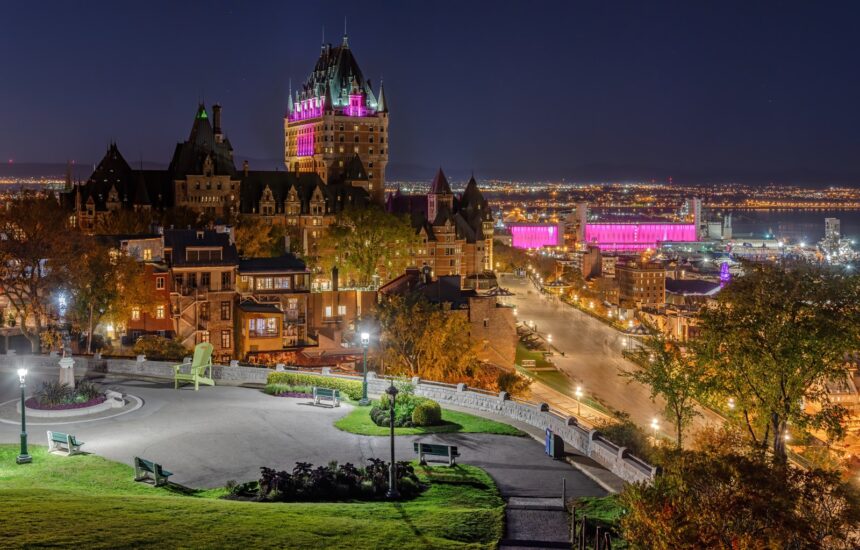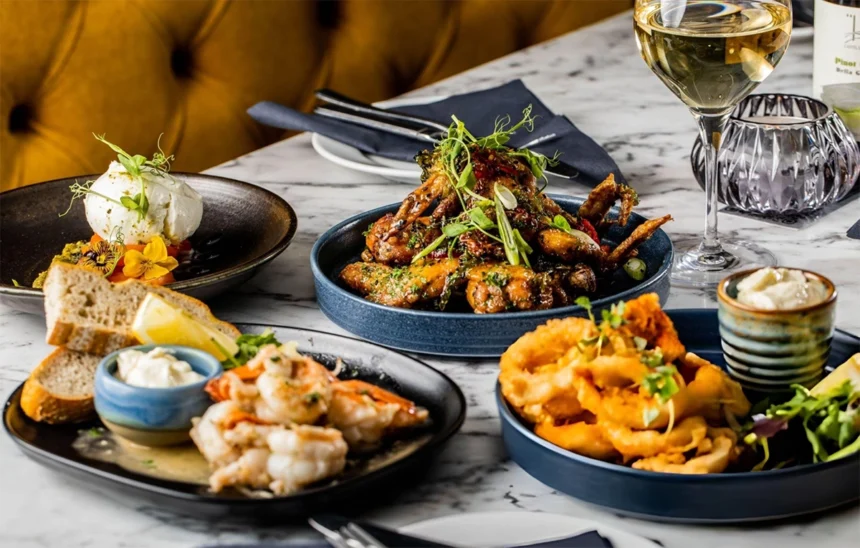
Quebec City’s own restaurant scene (exceptional in its depth and quality for a metropolitan area of 850,000) is nevertheless only the beginning of the culinary geography accessible from the capital. Within 90 minutes in any direction, the cuisine changes character dramatically: Charlevoix’s mountain and coastal terroir (with its internationally recognised cheese producers, its elk farms, and the Restaurant Chez Truchon and its peers in Baie-Saint-Paul), the Eastern Townships’ wine-country gastronomy (the auberges and farm-to-table restaurants of the Sutton-Frelighsburg wine corridor), and the south shore’s less-celebrated but genuine restaurant culture (accessible via the Quebec-Lévis ferry and the Route 132 heritage corridor) each provide culinary experiences that complement rather than duplicate what Quebec City’s best restaurants offer.
Charlevoix: The Destination Dining Region
Charlevoix (90 minutes northeast via the Route 138 through the Côte-de-Beaupré) is the most culinarily ambitious day-trip or overnight destination accessible from Quebec City: a region whose combination of exceptional raw ingredients (the Laiterie Charlevoix cheeses, the bison and elk from Ferme Orléans and its peers, the wild blueberries of the plateau harvest, the North Shore seafood that arrives fresh daily) with a concentration of serious kitchens (Restaurant Chez Truchon in Baie-Saint-Paul, the Table du Chef at Le Massif’s base village, and several smaller establishments in the La Malbaie area) creates a food destination comparable in ambition and quality to any Canadian region of its size. The driving approach (the Route 138’s river panoramas and the dramatic entry into the Charlevoix crater through the Rivière du Gouffre valley) is part of the experience; the Charlevoix culinary journey begins when the car crosses the boundary of the geopark territory.
The South Shore Gems
The south shore of the St. Lawrence (accessible via the Quebec-Lévis ferry (10 minutes, $4.25) and the Route 132 coastal heritage highway) contains several restaurants whose quality significantly exceeds their visibility in the Quebec City culinary conversation. The Lévis heritage commercial zone (immediately above the ferry terminal) has developed a modest but genuine restaurant culture serving the Lévis professional population; the Route 132 corridor east toward Montmagny and the Ile-aux-Grues region passes through heritage agricultural communities whose auberges and restaurants have developed farm-to-table menus based on the south shore’s dairy, pork, and market garden production. The Ile-aux-Grues (accessible by aircraft or boat from Montmagny, 75 kilometres east of Quebec City) hosts a small agricultural community that produces the Migneron de Charlevoix-inspired Fromage Ile-aux-Grues (available from the island’s cooperative dairy and from Quebec City specialty cheese shops.
The Portneuf Wine & Cider Route
The Portneuf territory) 50-70 kilometres west of Quebec City along the north shore of the St. Lawrence, has developed a modest but genuine artisan food and beverage route: the Vignoble de l’Orpailleur satellite operation (one of Quebec’s leading wine producers with a Portneuf-area vineyard), several apple cideries and ice cider producers, and the heritage auberges of Cap-Santé and Deschambault-Grondines that serve regional cuisine in the most heritage-rich architectural settings accessible from Quebec City on a day trip. The combination of cycling the Corridor des Cheminots rail trail through the Portneuf territory with stops at the artisan food producers along the Route 138 heritage corridor creates the most complete food-culture cycling day accessible from Quebec City without crossing the river.