The Île d’Orléans, the 34-kilometre-long island sitting in the Saint Lawrence River directly east of Québec City, is the most accessible piece of authentic rural Quebec from a downtown base. The island hosts approximately 7,000 year-round residents across six parish villages and a working agricultural landscape of orchards, strawberry fields, maple sugarbush, and dairy farms. The single bridge connecting the island to the mainland, dating to 1935 and currently under replacement construction, departs from the village of Beauport.
Getting there
The Chemin Royal, the road encircling the island, runs for approximately 67 kilometres and passes through all six villages: Sainte-Pétronille, Saint-Laurent, Saint-Jean, Saint-François, Sainte-Famille, and Saint-Pierre. A full circumnavigation by car takes approximately two to three hours with brief stops; by bicycle, a well-conditioned rider can complete the loop in four to six hours. Cycling rental is available at several locations in Sainte-Pétronille and Saint-Pierre during warm months, with typical rates of $35 to $50 per day for hybrid bicycles.
Seasonal character
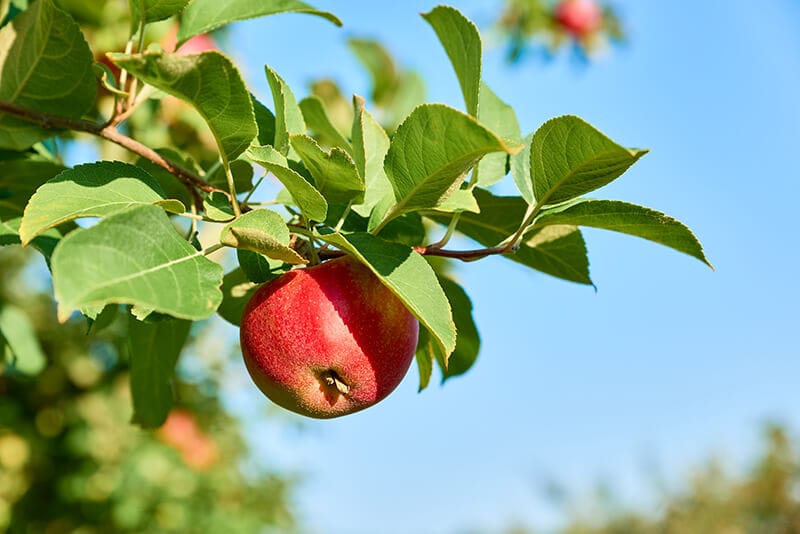
Agricultural tourism is the island’s economic base. Strawberry and raspberry U-pick operations run from June through August. Apple orchards open for visits from mid-August through October. Cider producers including Cidrerie Verger Bilodeau, Cassis Mona & Filles (for cassis wines), and Vignoble Sainte-Pétronille offer tastings and retail sales. Cheese producer Les Fromages de l’Isle d’Orléans makes a rare-breed raw-milk cheese using traditional French techniques first introduced by 17th-century colonists; the operation is one of the few historical Quebec cheese recipes in active production.
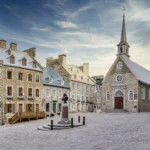
The architectural landscape is what distinguishes the island from other rural Quebec day-trip destinations. The villages contain significant concentrations of intact 18th- and 19th-century rural Quebec architecture, including examples of the ferme de pièce-sur-pièce log construction, quarried-stone farmhouses with steeply-pitched roofs, and parish churches that retain original interior finishes. Saint-Jean and Sainte-Famille are the architecturally densest villages; Sainte-Pétronille holds the largest concentration of maisons d’architecture anglo-normande (Anglo-Norman cottage style) introduced by British officers after 1759. The Manoir Mauvide-Genest at Saint-Jean, a 1734 seigneurial manor house open for tours, provides the most substantive single historical building visit on the island.