The Île d’Orléans ( a 34-kilometre-long island in the St. Lawrence River approximately 10 kilometres downstream from Quebec City, connected to the north shore by a suspension bridge at Sainte-Pétronille since 1935 ) is one of the most remarkable agricultural and heritage landscapes in North America: a working island of market gardens, apple orchards, vineyards, strawberry farms, sugar bushes, dairy farms, and heritage stone farmhouses that has maintained its rural character through deliberate heritage protection legislation and the extraordinary luck of being close enough to Quebec City to be easily visited but sufficiently separate (by water) to have resisted the suburban development that has consumed comparable landscapes near other Canadian cities.
Heritage Villages: Six Parishes
The Île d’Orléans is administratively divided into six municipalities, each corresponding to one of the original French colonial parishes established in the 17th century: Sainte-Pétronille (at the island’s western tip, adjacent to the bridge, with the finest views of the Château Frontenac and the city), Saint-Laurent (the eastern shore, with its tradition of boat-building), Saint-Jean (the south shore’s finest farmhouse concentration), Saint-François (the eastern tip with its panoramic platform), Sainte-Famille (the north shore, the island’s oldest community), and Saint-Pierre (the western north shore). The Route 368 circles the entire island a 67-kilometre circuit that passes through all six parishes and provides access to the island’s farms, producers, and heritage sites in a single driving or cycling loop.
Agricultural Heritage & Food Tourism
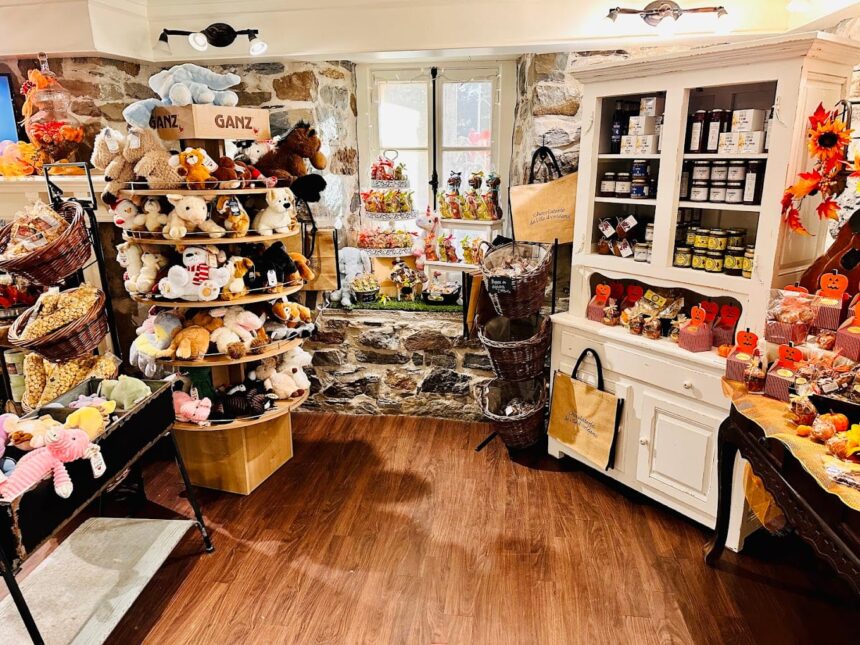
The Île d’Orléans has been a productive agricultural territory since the earliest French colonial settlement ( the island’s fertile alluvial soil and moderate St. Lawrence microclimate produce crops of extraordinary quality. The island is most celebrated for: fraises de l’Île (the strawberries that ripen in June, with farm-stand sales drawing thousands of Quebec City families for the annual pick-your-own experience), cidres de glace (ice cider, a Quebec specialty produced from apples frozen on the tree or after harvest, with several island producers among Canada’s finest), Cassis Monna et Filles (cassis liqueur and products from the island’s most visited agricultural producer), and the island’s maple syrup production during the spring sugar season. Several island sugar shacks (cabanes à sucre) serve the traditional Easter-season maple sugar meal ) an essential Quebec cultural experience available within 20 minutes of the Old City.
The Bridge & Cycling Access
The Pont de l’Île d’Orléans ( the 1935 suspension bridge connecting Sainte-Pétronille to the north shore at Beauport ) is the island’s only road connection; crossing the bridge is the physical threshold that makes the island feel genuinely separate from the city despite its proximity. The bridge carries Highway 368; its narrow two lanes and the sight of the river on both sides create an arrival experience unlike any other approach to a Quebec City-area destination. The Route Verte cycling network includes a designated route circling the island (marked as a regional cycling route); the 67-kilometre circuit is achievable in a full day by recreational cyclists of moderate fitness and constitutes one of the finest cycling day trips accessible from any major Canadian city. The island’s topography ( relatively flat along the shoreline route ) is suitable for most cyclists.