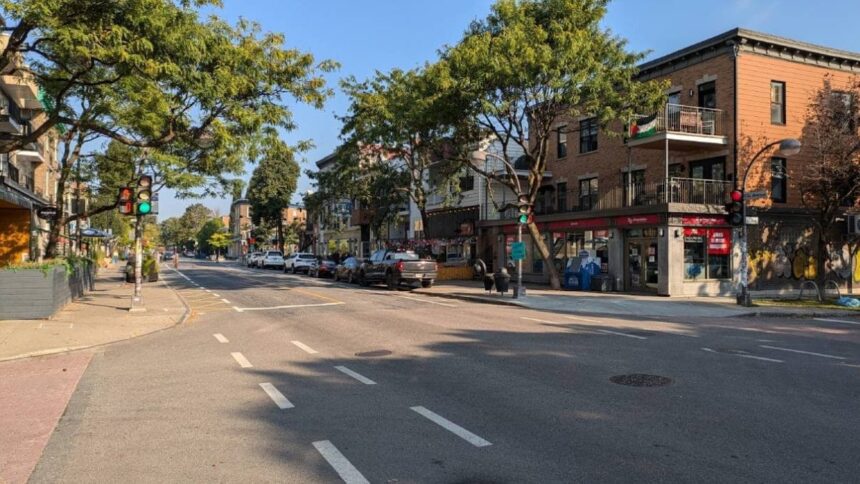
Limoilou has historically been home to one of Quebec City’s most established immigrant communities ( a concentration of Italian immigrants and their descendants, primarily from Calabria and Sicily, who came to Quebec City in the early 20th century as workers in the railway construction, building trades, and industrial sectors that were expanding rapidly in the pre-war decades. The community that established itself in Limoilou’s numbered grid streets ) primarily around the Rue 8e Avenue and the streets adjacent to the Saint-Charles River created a neighbourhood social fabric of family businesses, Catholic parish life centred on Italian national parishes, and community associations that maintained Italian cultural identity through decades of assimilation pressure in a French-speaking city.
Immigration History
Italian immigration to Quebec City followed a pattern common to North American industrial cities in the late 19th and early 20th centuries: chain migration from specific origin communities in southern Italy, facilitated by the padroni system (labour contractors who recruited workers from particular Italian towns) and reinforced by the social networks that earlier immigrants established in the destination neighbourhood. The labourers who built the railway infrastructure along the North Shore, the construction workers who built Limoilou’s brick triplexes, and the craftspeople who worked in the construction trades formed the first generation. Their children and grandchildren entered commerce, the professions, and local politics.
Community Life & Institutions
The Italian community’s institutional presence in Limoilou ( the Casa d’Italia, Italian cultural associations, and the parish connections to specific Italian communities ) provided the social infrastructure through which Italian identity was maintained across generations. The community’s commercial presence on Limoilou’s commercial streets ( Italian food importers, barbers, and small businesses ) gave the neighbourhood a distinctive character that Quebec City’s predominantly French-Canadian working class accommodated with the pragmatic multiculturalism of neighbourhoods that need their neighbours regardless of origin. Italian family names remain common in Limoilou’s phone directory; the community has largely integrated into Quebec francophone society while maintaining elements of Italian heritage through food culture, family celebration, and community associations.
Contemporary Italian Culture in Quebec City
The contemporary Italian cultural presence in Quebec City is expressed primarily through food culture (Italian restaurants distributed throughout the city, with a concentration in Limoilou and Saint-Roch), the annual activities of the Italian cultural associations, and the social networks of Italian-origin families now integrated across all city neighbourhoods. The Casa d’Italia on Rue des Oblats maintains cultural programming including language courses, traditional festivals, and social events. Italian cuisine’s influence on Quebec City’s restaurant scene is most visible in the pizza, pasta, and gelato establishments that operate alongside the Franco-Canadian restaurant culture a culinary integration that has been underway since the 1950s.