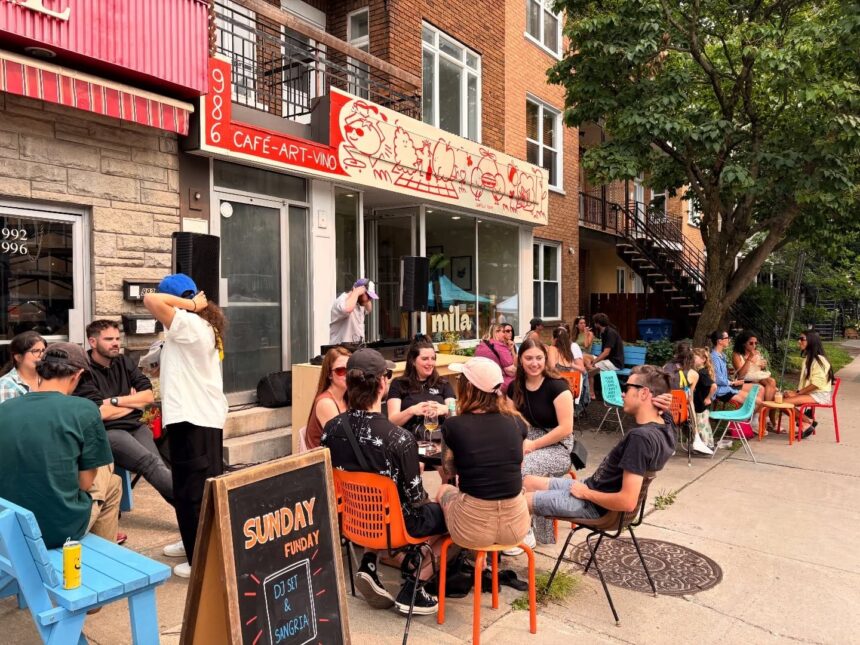
Quebec City’s café culture (the network of independent coffee shops, café-terrasses, and specialty coffee establishments distributed through the inner-city quartiers) is the most accessible and most atmospheric element of the city’s daily social life, the infrastructure through which neighbours, students, government workers, and visitors negotiate the transition between the private domestic space and the public commercial world. The café’s role in Quebec City’s urban culture goes beyond caffeine delivery: it is the informal office where remote workers spend their mornings, the social infrastructure where neighbourhood relationships develop over long afternoons, and the site of the reading, writing, and conversation that Quebec’s literary tradition has historically located in public rather than domestic spaces. Understanding Quebec City’s café landscape (the difference between the tourist-facing Old City establishments and the neighbourhood cafés of the inner-city quartiers, between the specialty coffee culture of the third-wave establishments and the traditional percolator culture of the dépanneur counter) is understanding an important dimension of the city’s daily life.
The Third-Wave Specialty Cafés
Quebec City’s third-wave coffee culture (the specialty coffee movement that prioritises single-origin beans, precise extraction, and the full sensory development of coffee as an agricultural product rather than a commodity ingredient) has established a cluster of quality establishments in the Saint-Roch and Limoilou quartiers since approximately 2012. The notable specialty coffee establishments (Augy Coffee, Maurice Café, and several newer establishments whose names and locations evolve with the neighbourhood’s commercial development) provide the pour-over, espresso, and alternative brewing method coffee that the specialty coffee culture demands; the beans sourced from ethical importers and roasted locally provide the traceability and freshness that the movement prioritises. The specialty coffee culture’s integration with the creative class demographic of Saint-Roch and Limoilou (laptop workers, designers, and the various independent professionals who inhabit the neighbourhood’s café tables for hours) creates the specific café social atmosphere that distinguishes the specialty establishments from the convenience-oriented chain café experience.
Old City Café-Terrasses
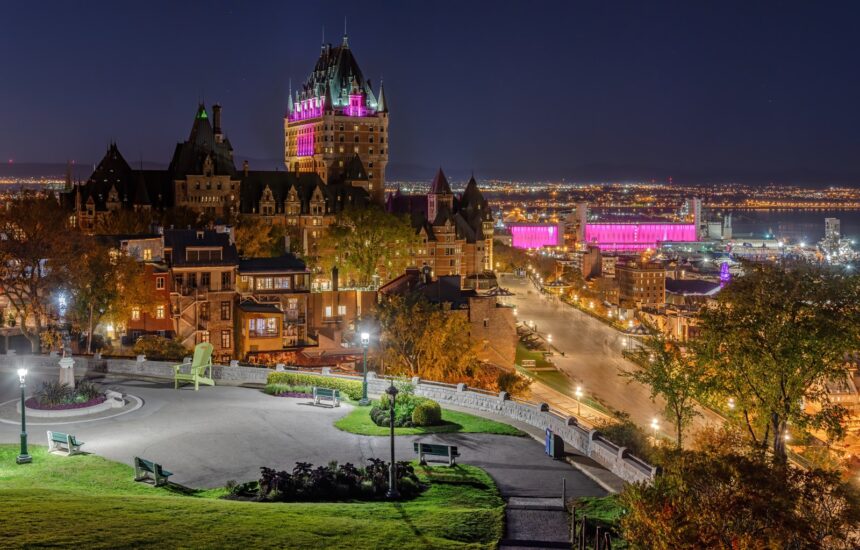
The Old City’s café-terrasses (the outdoor tables that extend into the public space of the Rue Saint-Jean, the Place d’Armes, and the Grande Allée during the warm months) are the most atmospheric but most tourist-facing dimension of Quebec City’s café culture. The visual setting (the heritage stone buildings, the fortification walls, the Château Frontenac) compensates for the variable coffee quality and the tourist pricing that characterise many Old City café operations; the social experience of sitting at a terrasse table watching the stream of Old City pedestrian traffic is genuinely distinctive. The best Old City café-terrasses: those that serve the neighbourhood resident as well as the tourist, providing the genuine social mix that makes a terrasse interesting rather than merely scenic. The Rue Saint-Jean faubourg section (just outside the walls) provides the best balance of heritage setting, neighbourhood character, and coffee quality.
The Literary Café Tradition
The literary café (the public space where writers, intellectuals, and readers gather for the social exchange that productive isolation cannot provide) has a long tradition in Quebec City’s cultural life, rooted in the French café culture that the colonial educated class imported and in the specific needs of a literary community too small to sustain purely private intellectual life. The Librairie Pantoute’s adjacent café (connecting bookstore and coffee culture in the most natural possible institutional pairing), the Café du Clocher Penché in Limoilou (which programs occasional literary events alongside its café and restaurant service), and the informal literary gathering culture at several Saint-Roch establishments collectively sustain a reading and writing public culture that the Québec en toutes lettres literary festival concentrates each October into the most visible expression of the year. The laptop writer who spends the morning in a Saint-Roch specialty café is the contemporary expression of a café-as-creative-workspace tradition that the Quebec City intellectual community has maintained for generations.