



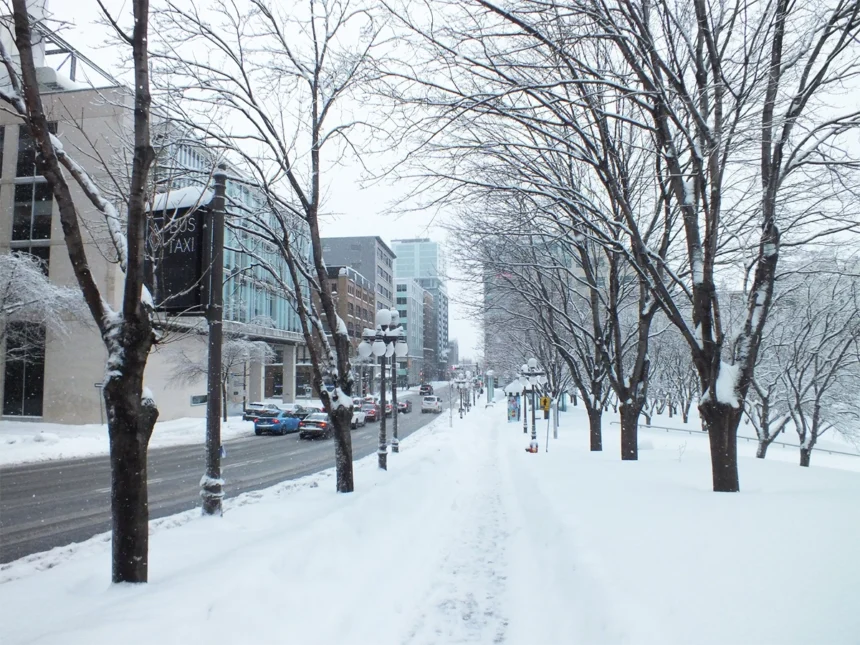
Saint-Sauveur ( the Lower Town quartier wedged between Saint-Roch to the east, the Cap Diamant cliff to the south, and the Saint-Charles River to the north ) is Quebec City’s least-visited inner-city quartier and one of its most authentically working-class: a neighbourhood of Franco-Québécois families, recent immigrants from diverse origins, artists priced out of the increasingly expensive Saint-Roch, and long-term residents who have watched the creative economy transformation of adjacent neighbourhoods with a mixture of admiration and anxiety about whether the same gentrification pressures will reach Saint-Sauveur. The combination of isolation (the quartier’s geography makes it slightly out of the way from both the Old City’s tourist circuits and Saint-Roch’s creative hub), relative affordability (the lowest rents in the inner city after Limoilou‘s most affordable streets), and genuine neighbourhood character makes Saint-Sauveur worth the detour for visitors interested in Quebec City as it actually lives.
History & Character
Saint-Sauveur developed as a working-class faubourg outside the city walls during the 19th century a neighbourhood of labourers, artisans, and small tradespeople who depended on proximity to the Lower Town’s commercial and industrial economy but could not afford the Old City’s property values. The neighbourhood’s street pattern follows the terrain’s natural contours rather than a regular grid (unlike Limoilou’s numbered streets), creating a more complex and visually interesting urban fabric of winding lanes, unexpected courtyard spaces, and the compressed scale of a neighbourhood built to maximise density rather than to accommodate automobiles. The Église Saint-Sauveur (1867, a substantial parish church that served as the neighbourhood’s institutional anchor through its working-class peak) and the surviving heritage commercial buildings along the Rue Saint-Vallier Ouest corridor document the neighbourhood’s 19th-century prosperity.
The Contemporary Community
Contemporary Saint-Sauveur is the most ethnically diverse of Quebec City’s inner-city quartiers ( the combination of relatively affordable rents and the social services infrastructure that has historically concentrated in the neighbourhood (the Centre de ressources pour les immigrants, several food banks and community kitchens, and the Carrefour de solidarité internationale) attracts newcomers from diverse origins at a higher proportion than other inner-city neighbourhoods. The neighbourhood’s cultural mix ) long-term Franco-Québécois residents, recent immigrants from sub-Saharan Africa, Latin America, and Southeast Asia, and the artists and creative workers who have discovered the neighbourhood’s affordability and character creates a social diversity that Quebec City’s more homogeneous quartiers lack. The Marché de Saint-Sauveur (seasonal farmers’ market), the community gardens, and the neighbourhood festivals organised by the conseil de quartier Saint-Sauveur provide the community infrastructure through which this diverse population finds common social ground.
What to See & Do
Saint-Sauveur’s attractions for the visitor are primarily experiential rather than institutional: the neighbourhood walk through its irregular streets, the discovery of hidden courtyards and unexpected viewpoints up the cliff face to the Plains above, the dépanneur culture on the Rue Saint-Vallier Ouest, and the occasional independent restaurant or café that has found a home here in preference to the higher-rent streets of Saint-Roch. The Escalier du Cap-Blanc (staircase ascending the cliff from Saint-Sauveur to the Battlefields Park) provides access to the Plains of Abraham and the Old City above, creating one of the finest vertical urban transitions in Quebec City: 10 minutes of stair climbing transforms the experience from the compressed working-class neighbourhood below to the aristocratic grandeur of the Plains above.








