Quebec City’s real estate development landscape (shaped by the TramCité corridor’s transit-oriented development potential, the inner-city revitalization that has made Saint-Roch and Limoilou attractive for residential intensification, and the provincial government’s social housing investment programs) is in a period of construction activity not seen since the Quiet Revolution’s public sector building programs of the 1960s-1970s. The developers active in the Quebec City market range from the local and regional firms that have built their businesses on the capital’s specific knowledge (Trudel Alliance, the Groupe Dallaire) to the Montreal-based national developers who have identified Quebec City’s under-built residential market as an opportunity (Devimco, Broccolini) to the municipal and social housing organisations whose mandate is affordable residential development rather than market-rate returns.
The TramCité Development Corridor
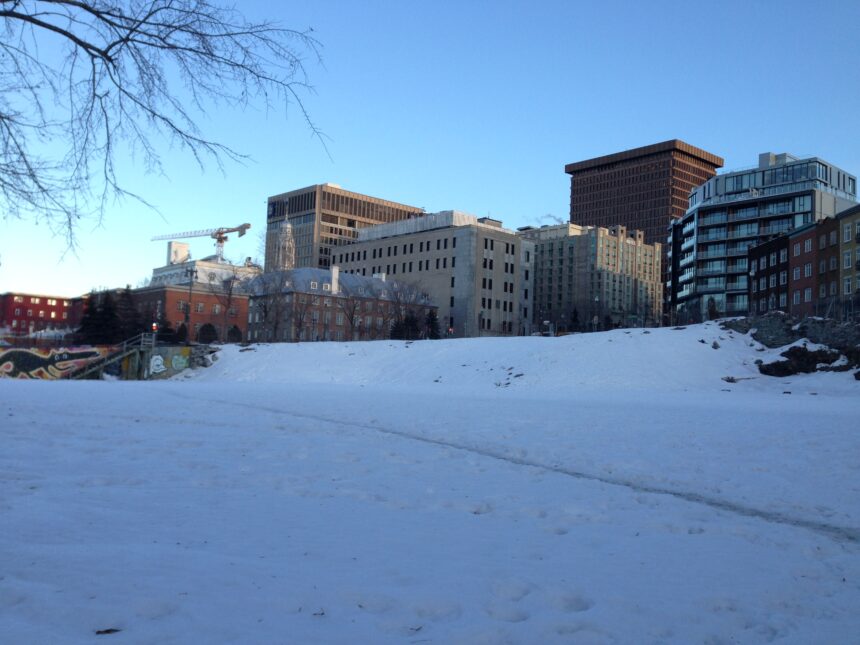
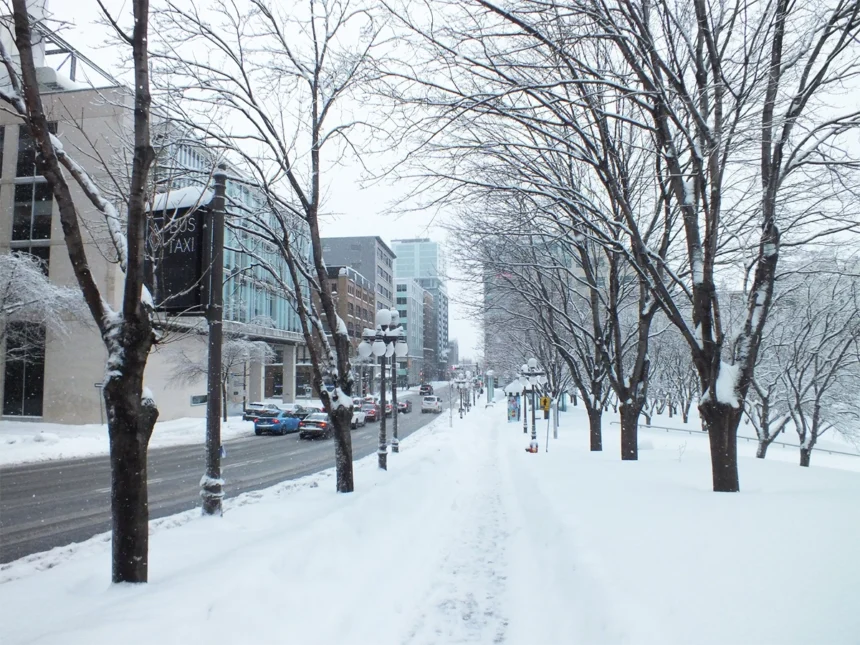
The TramCité project’s 19.3-kilometre corridor (from Le Gendre through Sainte-Foy, the Colline Parlementaire, Saint-Roch, and Limoilou to Charlesbourg) has triggered a wave of transit-oriented development planning along the route that is beginning to manifest in building permits and construction cranes in the 2024-2026 pre-construction period. The most active development zones are the Boulevard Laurier corridor in Sainte-Foy (where the replacement of surface parking lots with mixed-use residential-commercial buildings near planned tram stations has been in planning since the tram’s route was confirmed), the Saint-Roch zone around the 1re Avenue stations, and the Limoilou zone where the Pointe-aux-Lièvres eco-neighbourhood and the TramCité stations in proximity are generating the most intensive planning activity. The density bonus system that the Ville de Québec has created to incentivise mixed-use development near tram stations (allowing higher floor-area ratios than the existing zoning would permit in exchange for ground-floor retail and affordable housing set-asides) is the primary policy tool driving the TramCité corridor’s development intensification.
Social Housing Investment
The Office municipal d’habitation de Québec (OMHQ) (the municipal social housing authority managing approximately 7,500 social housing units in Quebec City) and the cooperative housing organisations (the Office municipal d’habitation de Québec and the network of coopératives d’habitation that have developed with provincial and municipal support since the 1970s) are the non-market development actors whose investment complements the private development activity of the TramCité corridor. The provincial government’s AccèsLogis program (the primary funding mechanism for social and affordable housing development in Quebec) has provided capital grants to support the development of new social housing units along the TramCité corridor; the tension between the program’s funding levels (critics argue that the grant amounts are insufficient to produce units at a cost accessible to the lowest-income households) and the development community’s appetite for affordable housing set-asides (which reduce per-unit returns below the market-rate development threshold) is the central affordable housing policy challenge in the Quebec City development landscape.
Heritage Redevelopment
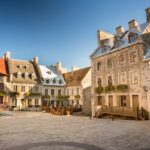
Quebec City’s heritage building stock (the converted industrial buildings of Saint-Roch, the institutional buildings whose original functions have been superseded by demographic or policy change (the convents, the schools, the former hospital wings), and the commercial buildings of the Rue Saint-Paul antique district) provides the most architecturally interesting raw material for redevelopment in the city. The adaptive reuse projects that have produced the finest redevelopments in Quebec City’s recent history (the Monastère des Augustines, the Bruck Silk Mills residential conversion, the Place Iberville heritage commercial conversion) demonstrate that heritage redevelopment can produce outcomes of higher architectural quality than new construction at comparable or lower total development cost, the heritage building’s structure, its materials, and its spatial character providing the creative constraints that produce distinctive residential and commercial environments. The CORPIQ (Corporation des propriétaires immobiliers du Québec) and the heritage preservation community’s ongoing engagement with the redevelopment process produces the regulatory context within which heritage adaptive reuse proceeds.