Quebec’s traditional music ( the fiddle reels, the quadrilles, the gigue (step dancing), and the chanson tradition that stretches from the veillées of the 18th-century habitants through Félix Leclerc and Gilles Vigneault to La Bottine Souriante and their successors ) is one of the most distinctive regional music cultures in North America. The trad music scene in Quebec City maintains genuine vitality through informal sessions, dedicated venues, and annual festival programming that brings Quebec’s folk and trad musicians to the capital. The fiddle (violon) was the central instrument of the veillée the communal evening gathering in a habitant farmhouse where neighbours shared music, dance, and storytelling. The repertoire of reels, jigs, and the specifically québécois dance forms (rondeau, quadrille, contredanse) combined French, Scottish, and Indigenous musical influences into a distinctly North American tradition.
Contemporary Trad Scene
Quebec City’s trad scene operates through several institutional and informal nodes. Several bars and cafés in Saint-Jean-Baptiste and Saint-Roch host irregular trad sessions. The CKRL community radio (ckrl.qc.ca) programs regular traditional music. The Fête de la Musique Traditionnelle (spring) provides a concentrated presentation of the trad repertoire. Among the artists to know: La Bottine Souriante brought Quebec trad to international audiences with their brass-augmented fiddle format; Genticorum maintains the most uncompromising commitment to the traditional repertoire with contemporary brilliance; and Félix Leclerc’s recordings ( available on all streaming platforms ) provide the essential chanson tradition context, his connection to the Île d’Orléans particularly resonant.
The Chanson Tradition
The Quebec chanson tradition ( the singer-songwriter culture that Félix Leclerc founded in the 1950s and that Gilles Vigneault, Claude Léveillée, and the Quiet Revolution generation transformed into the primary vehicle for Quebec cultural nationalism ) has its contemporary expression in the Festival d’été de Québec‘s programming (which consistently features the major chanson artists alongside international rock and pop) and in the intimate venue programming of several Saint-Jean-Baptiste and Montcalm establishments. Vigneault’s Mon Pays (1964) ( the song whose refrain “Mon pays ce n’est pas un pays, c’est l’hiver” (My country is not a country, it is winter) has become the most quoted expression of Quebec cultural identity ) is the single song most completely identified with Quebec City’s winter character, and its performance at any outdoor winter event generates collective recognition that cuts across generational and political lines.
Where to Find It
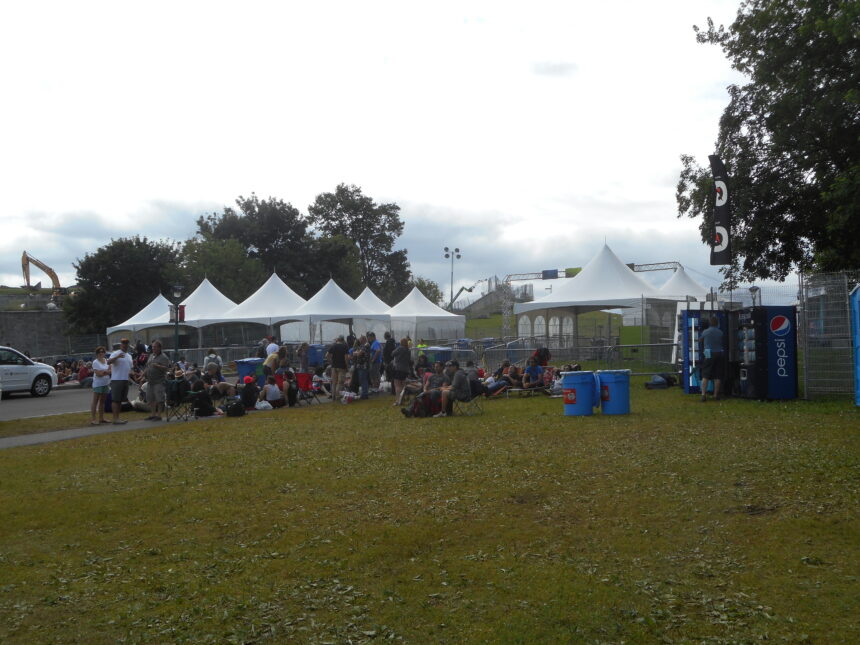
The Festival d’été de Québec’s Scène Loto-Québec (one of the eight festival stages, traditionally programming Quebec chanson and folk alongside the international programming of the main stage) is the most accessible concentrated presentation of Quebec’s chanson and folk tradition available annually. The summer outdoor concert series at the Battlefields Park includes chanson programming through the CCNQ’s Plains of Abraham animation calendar. Year-round, the CKRL community radio’s programming and the concert listings of the Grand Théâtre (which presents chanson and traditional music artists in its smaller Salle Octave-Crémazie) provide the most consistent access to live traditional and chanson programming in Quebec City.