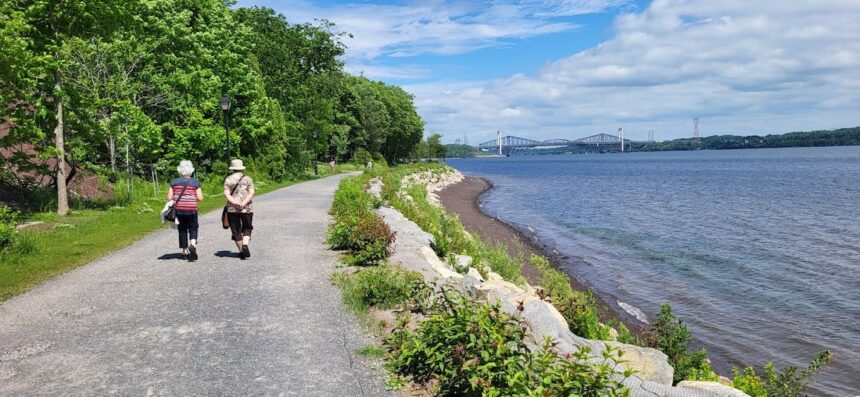
Quebec City ranks consistently among the top destinations in Canada for retirement a function of its healthcare infrastructure (the CHU de Québec network), its cultural richness, its relative affordability compared to Toronto and Vancouver, its compact and walkable inner city, and its four-season character that suits retirees who want to remain engaged with outdoor life year-round. The city’s large senior population (the proportion of residents over 65 is slightly above the Canadian average) has produced a well-developed ecosystem of senior-specific services, housing options, and social infrastructure.
Healthcare Infrastructure
The CHU de Québec–Université Laval is the region’s university hospital network ( providing specialist and tertiary care across multiple facilities including the Hôtel-Dieu de Québec (cardiology and surgery), the CHUL (general medicine and specialty clinics in Sainte-Foy), and L’Enfant-Jésus (trauma and neurology in Limoilou). RAMQ coverage ) available to Quebec residents after a three-month waiting period covers physician consultations, hospitalisation, and most medical procedures at no direct cost. The CLSC network provides community health services, home care, and geriatric support across Quebec City’s arrondissements. Dental care is not covered by RAMQ for adults over 18; private insurance or direct payment applies.
Housing for Seniors
Quebec’s Résidences pour aînés (RPA) ( private seniors’ residences offering a continuum of services from independent living to long-term care ) are regulated under the Ministère de la Santé et des Services sociaux. Quebec City has a significant RPA sector, with options ranging from independent lifestyle residences with amenity services (dining, activities, housekeeping) to full long-term care facilities. The provincial government operates Chèque emploi-service and other support programs for seniors who wish to remain in their own homes with assistance. The City of Quebec’s Politique des aînés outlines municipal commitments to age-friendly urban design and senior-specific programming.
Social & Cultural Life
Quebec City’s cultural infrastructure is exceptionally accessible to retirees with time to engage with it: the OSQ, the Opéra de Québec, the MNBAQ, the SILQ, and the festival calendar are all within reach of any centrally located senior without a car. The Bibliothèque de Québec network offers programming specifically for seniors, including technology assistance, reading groups, and community event access. The University of the Third Age (U3A) model, through associations linked to Université Laval and the CEGEPs, provides intellectual programming for older adults. Senior transit passes make the RTC bus network accessible year-round at reduced cost.