Québec City in winter is colder than most foreign visitors picture. The temperature drops of January and February settle into a band that clothing from London, Paris, or New York is not built for. A wool coat that handles a damp English winter at five degrees above zero will not handle a dry Québécois afternoon at minus twenty. The gap is not about fashion. It is about physics, and it governs what you need in your luggage.
What winter actually does, by month
November is shoulder season. Daytime temperatures hover around zero, overnight lows dip below. Rain, wet snow, and slush alternate. The Old City is still walkable in a standard winter coat and leather boots.
December brings consistent snow. Afternoons settle around minus five, nights around minus ten. The city is decorated for the holidays and the ice rinks open. A proper winter coat becomes non-negotiable.
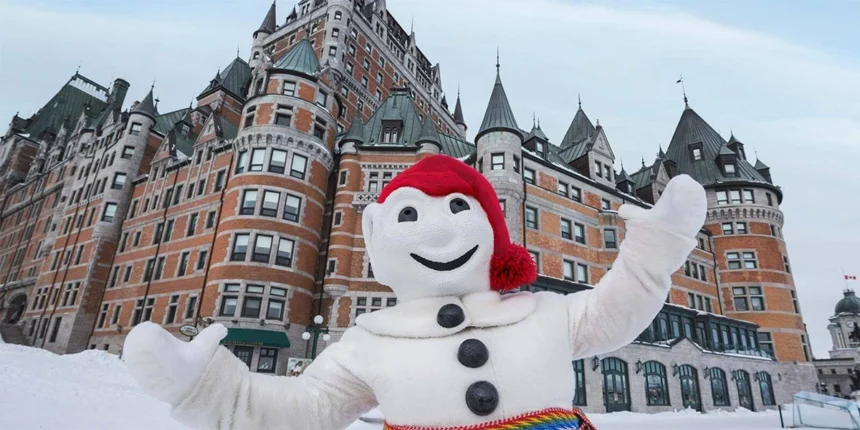
January and February are real winter. Daytime highs of minus fifteen are normal. Nighttime lows of minus twenty-five with wind chill are not rare. This is when Carnaval runs, which tells you everything about the local attitude to the season: the city does not close for it, it celebrates it. Under-dressed tourists spend this period miserable.
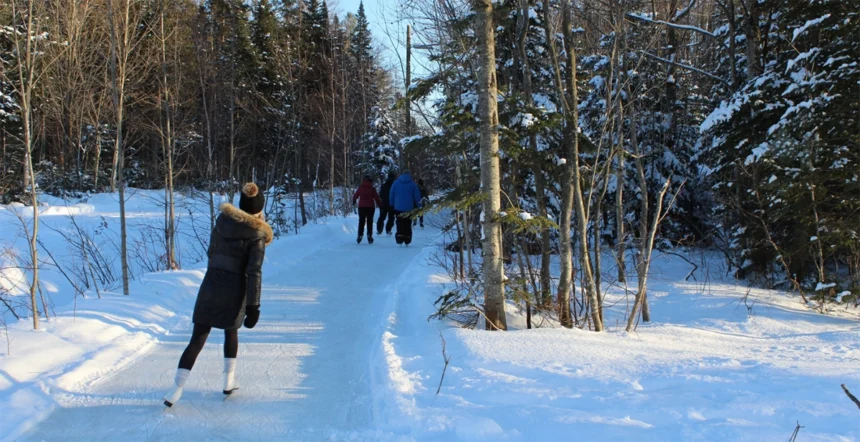
March thaws unevenly. Warm days reach plus five. Cold snaps return to minus fifteen overnight. Sidewalks are a mess of ice and meltwater, and the skating on the Plains of Abraham gives up some weekends.
The layer system, specifically
Base layer, next to the skin. Merino wool, long-sleeve top and long underwear. Avoid cotton; it holds sweat and gets cold. Anyone who has hiked seriously already owns this kit.
Mid layer, for warmth. A thick fleece or a light down sweater. One is enough if the outer layer is competent.
Outer layer, against wind and wet. A parka rated for minus twenty at minimum, hooded, knee-length if possible. Canadian outdoor brands (Canada Goose, Kanuk, Quartz Co., Chlorophylle) make coats for this climate because the climate invented the category. Your existing heavy coat probably does not qualify.
Bottoms. Jeans are inadequate below minus ten. Thermal leggings under wool trousers, or insulated pants if you plan outdoor time beyond sidewalks.
Extremities, which is where visitors suffer
Hat. A proper toque that covers the ears. The wool beanie you wear in London is a gesture, not a hat.
Gloves. A light pair under a heavy mitten is the local combination. Fingers give up faster than any other body part in Québec City cold.
Scarf or neck tube. The neck tube (a buff) tucks into the coat and stays in place. A long scarf looks better and works worse.
Boots. This is the decision that matters most. Regular leather boots fail on ice and let cold through the sole. Get winter boots rated to minus thirty, with a lugged rubber sole. Sorel, Baffin, and Pajar are the local reference brands. Visitors often think this advice is excessive and then spend a day walking on Rue Saint-Jean and find their toes gone at hour two.
If you arrive under-dressed
Buy it here. La Maison Simons downtown carries proper coats and boots at a wider price range than their window suggests. SAIL in Beauport stocks every category. Ogre de Québec and L’Aventurier on Rue Saint-Jean sell good gear at honest prices. Second-hand options at the Village des Valeurs on boulevard Charest work for anyone planning to wear the gear once.
Renting a parka is possible through a few hotel concierges and a handful of outdoor outfitters; the inventory is limited and the pricing makes a cheap purchase competitive. If you plan a week in town and own no gear, buy.
One rule about the cold
Québec cold is dry cold. It feels less severe than a damp British four degrees above zero, right up until it doesn’t, at which point it hurts. Respect the thermometer, layer properly, and you will walk the city comfortably. Ignore it, and you will spend your trip ducking into Tim Hortons every twenty minutes to warm your hands.