There’s a standard travel-writer trope about winter destinations: “Sure, it’s cold, but bundle up and you’ll have a magical time!” It’s usually half true and half marketing, and by now most travelers have read enough versions of it to treat the genre with appropriate skepticism.
So I want to be more specific about Québec City in winter: it’s not just “still good in the cold.” It’s arguably the best time to visit, for particular reasons that don’t apply to most other winter destinations. This is a case that deserves to be made carefully rather than breezily.
When is the best time to visit Québec City?
That is the broader question, and it deserves a direct answer before the
argument below, which is specifically about winter. Across the whole year:
- Late January through early March — the city at its most
distinctive, at its lowest rates, and with the thinnest crowds outside
Carnaval. This is the case the rest of this page makes. - September and early October — the best weather-to-crowd
ratio of the year. Warm days, cool nights, the July–August crush gone. - July and August — if the festivals are the point. Festival
d’été in early July and the Fêtes de la Nouvelle-France in early August are the
two largest draws of the year, and they are also why these are the most
congested weeks. - April–May and November — cheapest and quietest, and the
least rewarding. These are the real shoulder seasons: some restaurants and
attractions close for several weeks.
The underlying pattern is that Québec City has two high seasons
rather than one. July and August carry a disproportionate share of the annual
visitor count; a second peak runs from mid-December through mid-March, driven
by the Christmas market in the Old Town and by Carnaval in late January and
early February. The quiet stretches are April–May and October–November — the
seasonal pattern in the regional tourism figures
sets this out with its sources. One consequence worth knowing if you are
weighing a shoulder-season trip: the cruise season runs from 10 April to
29 October, so even a quiet spring or autumn week can have a busy
downtown afternoon when a ship is in.
And the trade-offs, period by period:
| When | What you get | What you give up |
|---|---|---|
| Late Nov – mid Dec | Christmas atmosphere, the market, first snow, decorated streets, moderate cold | Snow is not yet reliable for winter sport |
| Mid Dec – mid Jan | Peak holiday atmosphere, accumulating snow | Holiday rates, and the shortest daylight of the year |
| Carnaval, late Jan – early Feb | Seventeen days of parades, ice palaces and canoe races on the half-frozen river | Hotels fill; the quiet is gone for the duration |
| Mid Jan – mid Feb, outside Carnaval | The coldest temperatures, the most reliable snow, the thinnest crowds | Genuine cold: January averages around -12°C, with wind chill often pushing -25°C |
| Late Feb – March | Winter character with longer days; sugar-shack season | Late-season thaws turn snow to slush |
| April – May | Lowest prices, no crowds | Shoulder season: closures, and weather that is neither one thing nor the other |
| July – August | Festival d’été, the Fêtes de la Nouvelle-France, long days, everything open | The busiest weeks of the year: congestion in Petit-Champlain, reservations two weeks out, peak rates |
| September – early Oct | Warm days, cool nights, crowds thinning | Little, which is why it is the other right answer |
| Late Oct – Nov | Quietest and cheapest of all | Grey, between seasons, with the most closures |
If you want one week: the first week of December, or the first week of
March. If you want the honest case for the cold, read on.
The Problem With Summer Québec City
Start with the opposite argument. Summer in Québec City is objectively lovely — the weather is mild, the days are long, outdoor cafés fill the terraces, Festival d’été rolls through in July with world-class music acts on free outdoor stages. People are happy. The food is excellent. The architecture looks good in any season. Tourism peaks for legitimate reasons.
But summer Québec City comes with a catch: there are a lot of other people there. July and August take a disproportionate share of the year, which is the whole argument for coming in winter — the seasonal pattern in the tourism figures shows how lopsided it is. In July and August, the Old City can absorb tour bus loads, cruise ship disembarkations, Festival d’été crowds, and provincial school-break traffic all at once. The cobblestone streets of Petit-Champlain become actively congested. Restaurants need reservations two weeks out. Hotel rates peak. Wait times at major attractions stretch into hours.
You can still have a wonderful trip in July. You can’t have a quiet one.
Why Winter Is Different
Winter Québec City functions differently because the city was actually designed for winter. The architecture — thick stone walls, small windows, heavy doors — reads as beautiful in summer but makes practical sense in January. The narrow streets that feel constrictive with summer crowds feel protective in a February snowstorm. The restaurants shift to winter menus that make sense of hot stoves and long dinners and Québec red wines.
More importantly, the tourism rhythm changes entirely. The cruise ships stop. The bus tours reduce dramatically. Hotel rates drop 30-50%. Restaurants become reservable. And the Old City starts to feel like what it actually is — a residential neighbourhood where 5,000 people live, rather than a stage for the 6.7 million visitor stays the tourism region recorded in 2025 — stays, not people, which is a distinction worth keeping in mind whenever you see a visitor number for this city.
Five Specific Reasons to Go in Winter
1. The Aesthetic Is Simply Better
Québec City was painted into the global imagination by winter photographs — the fresh snow on the copper roofs of the Château Frontenac, the lit windows of Petit-Champlain against dark stone, the yellow glow of gas-style street lamps reflecting off cobblestone ice. That’s not a summer image. The city’s visual identity is a winter city.
Walking the narrow streets of the Old City during light snowfall, with decorations still up in December, is one of the genuinely distinctive urban experiences available in North America.
2. The Winter Carnival (If You Time It)
The Carnaval de Québec runs 17 days in early-to-mid February and is the largest winter festival in the world. If you time your trip to overlap even partially, you get parades, ice palaces, canoe races on the half-frozen river, and a city that has transformed itself into a winter spectacle. No other Canadian city has anything comparable.
3. The Food Season Shift
Québec cuisine is fundamentally cold-weather cuisine. Tourtière, ragoût de pattes, fondue, raclette, pea soup, hot bread and butter, braised meats, seasonal game. Summer restaurants serve a version of this, but winter restaurants serve the real thing. And then there’s the sugar shack season in March — the maple-focused traditional meals in rural cabanes à sucre, one of the most distinctive food experiences anywhere in Canada.
If you’re food-focused, winter is the season that actually rewards you.
4. The Winter Activities Actually Happen
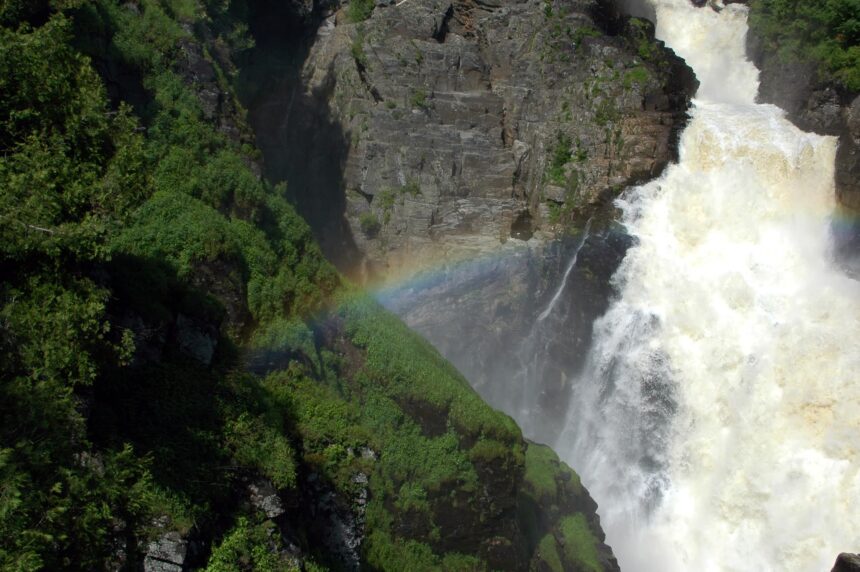
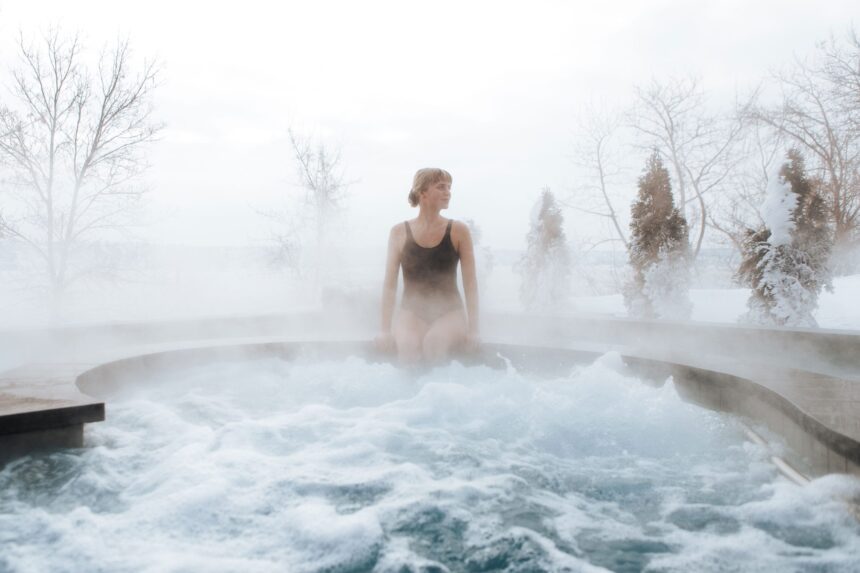
Outdoor skating at Place D’Youville, the historic toboggan slide at Dufferin Terrace, cross-country skiing on the Plains of Abraham, Nordic spas with outdoor thermal pools, ski resorts 30 minutes away, Montmorency Falls with its sugar loaf, the Ice Hotel, ice canoeing on the St. Lawrence — these things don’t exist in July. They’re winter-specific, and they’re why Québec City is one of the best winter destinations in North America, not just a summer destination that happens to survive winter.
5. You Get to See Actual Québec
The tourists are fewer in January and February. The streets carry a greater proportion of locals. The cafés and restaurants are populated by the people who actually live here. Conversations at the next table are more likely to be in French. You get the version of the city that isn’t on display for visitors — the winter version that Québec makes for itself.
The Honest Caveats
I owe you the counter-arguments.
It’s genuinely cold. January averages around -12°C with wind chill often pushing -25°C. This is not a gentle cold. If you’re not prepared with proper gear, you can become uncomfortable quickly, and in extremes, genuinely unsafe. Dress for real winter.
Some attractions are seasonal. Outdoor patios, certain tours, some of the Lower Town shops with shorter winter hours, the Citadelle‘s Changing of the Guard ceremony — these are summer-only. If any of those are specific must-sees, winter isn’t your window.
Daylight is shorter. The earliest sunsets fall in early-to-mid December, just before 4 p.m. — sources put them between about 15:55 and 16:00, so treat the minute as approximate. At the solstice you get about eight and a half hours of daylight, which changes the rhythm of touring.
Weather can disrupt. Major snowstorms happen. Flights get delayed. Plan buffer days if possible.
Some things are harder. Walking cobblestones with ice is real; you need proper boots. Driving in heavy snow takes practice. Outdoor photography requires battery-warming techniques.
The Winter Sub-Seasons
Winter isn’t one uniform season in Québec City. Different sub-periods have different characters:
- Late November to mid-December: Christmas atmosphere, German market, first snows, decorated streets. Moderate cold. Excellent for photos.
- Mid-December to mid-January: Peak holiday season, still-decorated, snow accumulation building. Cold but manageable.
- Mid-January to mid-February: Deep winter. Coldest temperatures, most reliable snow, thinnest crowds (outside Carnaval).
- Carnaval period (roughly 3rd week January through 2nd week February): Festival crowds, peak winter activities, busier hotels.
- Late February to March: Still reliably cold but longer days, maple season approaching. Good combination of winter character with warming conditions.
A Complete Winter Itinerary (5 Days)
Day 1: Arrive, check in, explore Old Québec streets in the late afternoon/evening. Dinner at a traditional Québec restaurant (Aux Anciens Canadiens or Le Saint-Amour).
Day 2: Morning walking tour of Old Québec and the fortifications. Afternoon at the Musée de la Civilisation. Evening skating at Place D’Youville.
Day 3: Day trip to Montmorency Falls (ice formations) and possibly Île d’Orléans for a traditional meal. Back to Old Québec for evening.
Day 4: Half-day at a Nordic spa (Siberia Spa or Strøm). Late afternoon and evening in Saint-Roch for dinner and drinks.
Day 5: Morning at the Citadelle (interior tour) or the Plains of Abraham in fresh snow. Afternoon tobogganing at Dufferin Terrace. Final meal at one of the city’s destination restaurants.
What to Wear
The non-negotiable list:
- Real parka, not a city coat.
- Insulated waterproof boots with actual grip.
- Thermal base layers, mid-layer, outer shell.
- Mittens, not gloves.
- Hat with ear coverage.
- Scarf or buff.
- Hand warmers for outdoor events.
If you arrive underprepared, Simons and La Cordée on Grande Allée can sort you out quickly.
FAQ
When is the absolute best single week to visit in winter?
First week of December (Christmas atmosphere, pre-peak crowds) or first week of March (sugar shack season, still snowy, warming days) are both excellent.
Is it good for solo travelers in winter?
Yes. The city is walkable, safe, and has enough restaurants and cafés that you won’t feel isolated.
Can you do it without a car?
Within the city, yes. For day trips (Montmorency, Île d’Orléans, ski resorts), a car or organized tour is much more practical.
Is it too cold for kids?
No, if they’re properly dressed. Québec kids are outside all winter.
How does winter Québec compare to winter in other Canadian cities?
Québec’s winter tourism infrastructure is the best in Canada. Montréal has more restaurants but less winter-specific programming. Ottawa has Winterlude and skating but less atmosphere. Québec City offers the deepest combination.
Final Word
The case for winter Québec City isn’t that it’s a hardship to overcome. It’s that the city is genuinely better in winter — more atmospheric, more authentic, more comfortable (in terms of hotel availability, restaurant access, tourist density), and more distinctively Québécois. You sacrifice some things (summer patios, certain tours, longer days) and you gain a lot more. If you’ve only visited in warm weather, you haven’t fully seen the city. Winter is worth the trip.