Quebec City’s contemporary art scene is bigger than it looks from the outside. Measured by working artists, active galleries, and artist-run spaces, the city sustains a genuine contemporary art culture that its modest national profile doesn’t reflect. The main reason this exists at all is infrastructure: Université Laval produces a consistent stream of visual arts graduates who stay in Quebec City rather than move to Montreal, and the Méduse cultural cooperative provides the institutional backbone that keeps artist-run culture viable.
The Artist-Run Centre Network
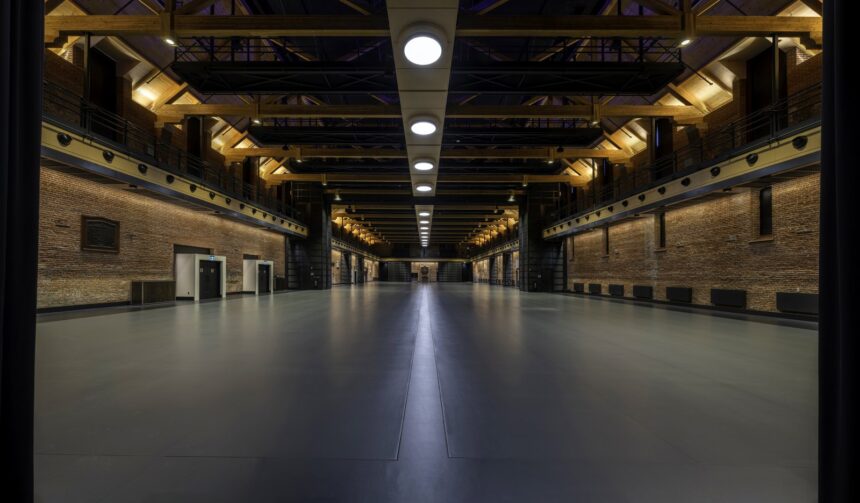
Méduse, based in a repurposed industrial complex in Saint-Roch, houses several of the city’s most important artist-run organisations under one roof. The most active is Vu (centre de diffusion et de production de la photographie), which has built a national reputation in photography and media arts over 30 years. Vu’s programming ranges from purely experimental work to career-significant exhibitions. Shows there have resulted in MNBAQ acquisitions and drawn national gallery attention. Other Méduse members serve mid-career artists building reputations outside the commercial market. Artist-run centres operate on a different logic than galleries: they give artists production resources and exhibition space without the pressure to sell. That matters more than it sounds.
Commercial Galleries
The commercial gallery scene clusters mainly along Rue Saint-Paul and Rue Saint-Pierre in the Lower Town, with outposts on Rue Saint-Jean. Galerie Madeleine Lacerte on Rue Saint-Paul is the most commercially serious operation in the city. It represents established Quebec and Canadian artists whose work sells at prices mid-career collectors can reach. Other galleries work the younger end of the market, giving artists who have graduated from the artist-run circuit their first commercial exposure. Rue du Trésor, the outdoor printmaker street in the Old City, is a separate category: affordable tourist-oriented reproductions with no overlap with the serious collector market.
The Studio Community
The working studio community scattered through the industrial spaces of Saint-Roch, Limoilou, and Saint-Sauveur is less visible than the gallery scene but arguably more important to it. Studio rental is largely informal. Several former industrial buildings in Saint-Roch have become de facto artist complexes as cheap space accumulated tenants over years. Studios produce the work that galleries eventually sell and artist-run centres show. The annual open studio events, in May and October, are the most direct way to see what’s actually being made in the city rather than what’s currently on a gallery wall.