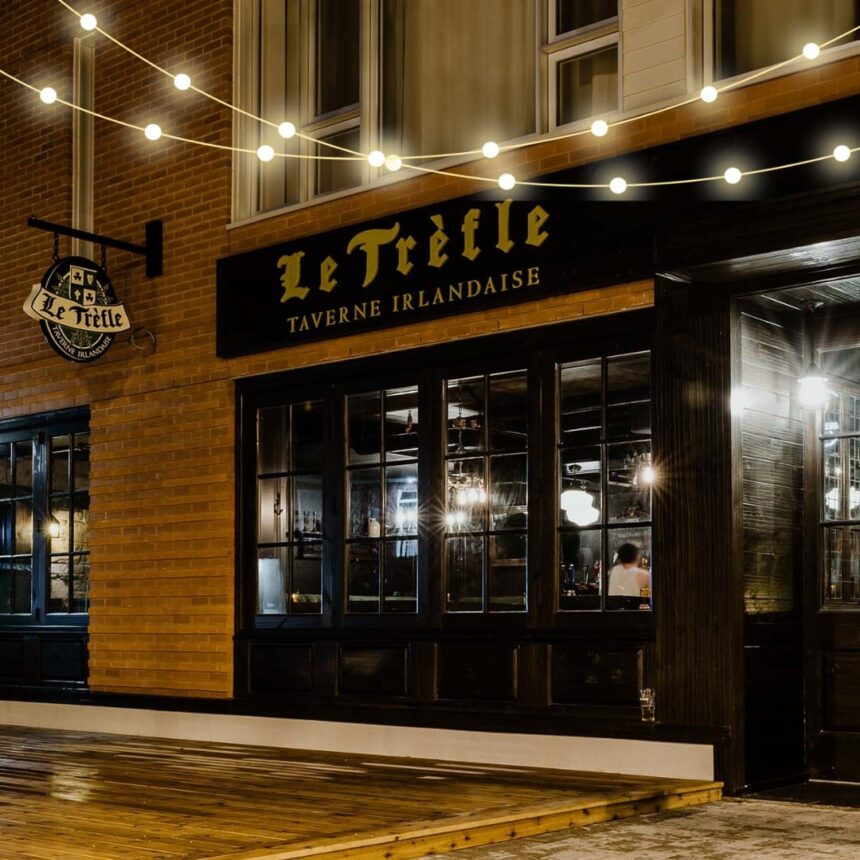
Limoilou is not one neighbourhood. It is three: Vieux-Limoilou south of Boulevard des Capucins, Lairet in the middle, and Maizerets in the east. The first of these has changed more between 2014 and 2024 than any other district in the city. The 3e Avenue corridor, once a main street of dépanneurs and working-class taverns, now holds some of the most-photographed restaurant rooms in Québec City. The transformation has been measurable, rapid, and controversial, and it offers a case study in how mid-sized cities manage, or fail to manage, urban change.
The population shift
The 2011 census recorded 12,300 residents in Vieux-Limoilou’s core. The 2021 census showed 13,950, a 13-percent increase against a city-wide growth rate of 6 percent. Median household income rose from 42,000 dollars to 58,500 dollars over the decade. The proportion of residents with university degrees climbed from 28 to 47 percent. These are the bare metrics of gentrification, and they arrived in Vieux-Limoilou more quickly than in any comparable district across the province. The borough’s long-standing francophone working-class identity has not disappeared, but it now shares the sidewalks with a younger professional population priced out of the walled city.
The 3e Avenue effect
The central commercial artery anchored the transformation. Between 2014 and 2024, more than forty new restaurants, bars, and cafés opened along 3e Avenue between the 3e and 18e rues. Le Bureau de Poste established itself as the first regional beer destination outside Saint-Roch. Morena and La Souche followed with serious kitchens. The bookstore Librairie Morency reopened in a larger space. The coffee roasters Nektar and Pista both anchor the strip. Rents for ground-floor commercial space tripled over the decade, from roughly twelve dollars per square foot to thirty-six, a figure that now matches the price of equivalent space in Saint-Roch below the cliff.
Housing and displacement
Residential rents followed the commercial curve. The average apartment rent in Vieux-Limoilou rose from 625 dollars a month in 2014 to 1,185 in 2024, a 90-percent increase. Median house prices climbed from 215,000 dollars to 445,000 over the same period. The borough’s housing advocacy groups, notably the Comité populaire Saint-Jean-Baptiste‘s Limoilou chapter, have documented a consistent pattern of renovations followed by sharp rent increases that effectively displaced long-term tenants from the neighbourhood. The municipal housing register records 312 affordable-unit losses in the district over the decade from 2014 to 2024. The borough council’s 2023 plan specifiques aims to slow the loss through strengthened landlord registration and renovation oversight, with mixed early results.
The cultural balance
New restaurants and new residents have not erased the older Limoilou. The Marché public du Vieux-Limoilou on Saturday mornings through the warmer months remains a genuinely local market. The Patro Roc-Amadour, a large community centre founded in 1950 on Rue du Nadeau, still runs its indoor swimming programme and after-school care for roughly a thousand neighbourhood children each year. The Cinéma Cartier continues screening French-language art films on 3e Avenue five nights a week at ticket prices the newer restaurants on the same street could never match. These institutions are not threatened in the short term, though their long-term viability depends on municipal support rather than market economics.
What the decade taught the city
Vieux-Limoilou’s transformation has become the reference case in Québec City’s broader conversation about neighbourhood change. The pattern has informed the city’s approach to the current transformation of Saint-Sauveur and the quieter evolution of Saint-Roch Nord. What worked, and what did not, divides policy analysts. The commercial revival is largely regarded as successful: 3e Avenue is among the most visited streets in the agglomeration. The housing outcomes are viewed considerably more critically, and the displacement question has no clean resolution either in Québec City or in the comparable cases across the province, from Montréal’s Saint-Henri to Sherbrooke’s downtown. The next decade in Limoilou will likely be defined less by growth and more by whether the city can sustain the social and economic diversity that made the district worth investing in to begin with.