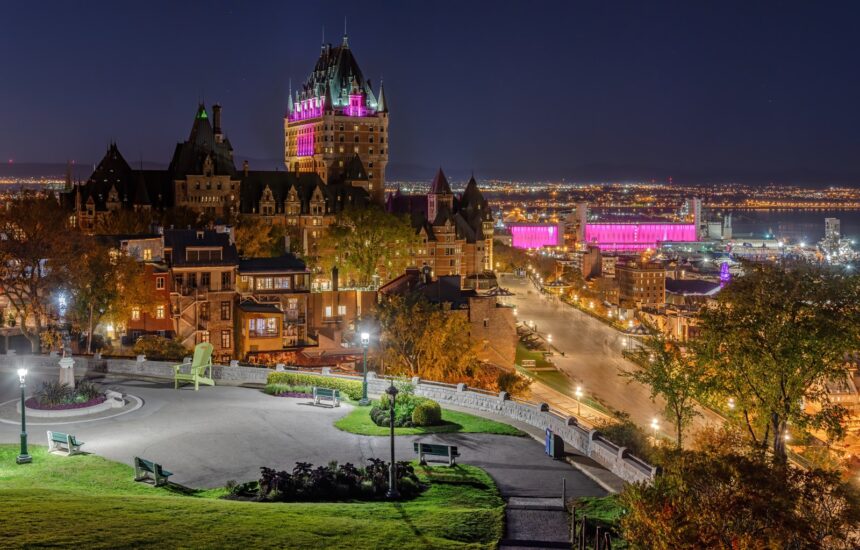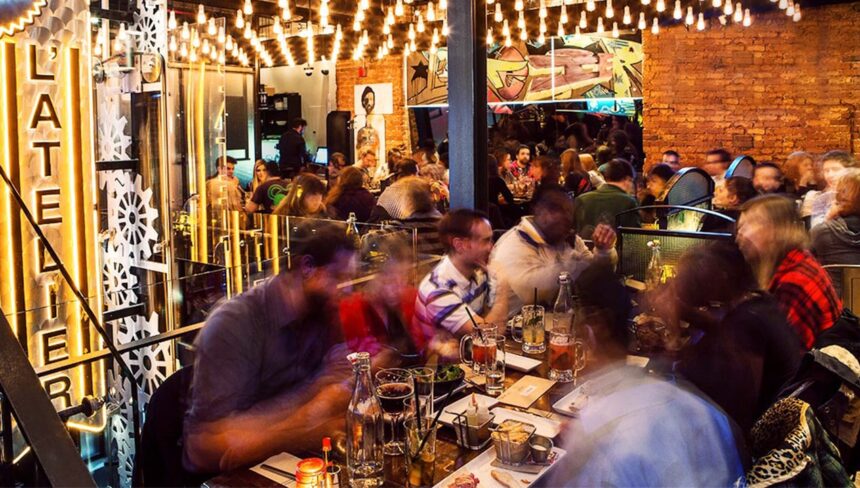
Walk Grande-Allée from Porte Saint-Louis westward on any summer evening and you’ll see a street that’s transformed itself over the past 40 years into one of the most restaurant-dense boulevards in Eastern Canada. Victorian mansions converted to bistros. Historic stone buildings with outdoor terraces. A continuous strip of dining options running for about 8 blocks, all within walking distance of the Old City walls.
The quality is genuinely variable. Some of Québec’s best restaurants are on Grande-Allée. So are some of its most tourist-focused, overpriced operations. Knowing the difference is the key to eating well on this street.
The Strip Overview
Grande-Allée runs from Porte Saint-Louis (eastern end, Old City walls) through the Colline Parlementaire, past the Parliament and the Plains of Abraham, all the way to the MNBAQ museum (about 2 kilometres west). The restaurant concentration is heaviest in the first kilometre — the stretch from Porte Saint-Louis to roughly Avenue Cartier.
The character shifts as you walk west:
- Closest to the walls (Porte Saint-Louis to the Parliament): Most tourist-oriented, outdoor terraces, mainstream menus
- Middle stretch (Parliament to Avenue Cartier): More varied, some serious restaurants mixed with bars and casual spots
- Western end (Avenue Cartier and beyond): Quieter, more residential, crosses into the Montcalm neighbourhood
The Serious Restaurants
Le Saint-Amour
The flagship fine dining restaurant on Grande-Allée. Glass-roofed atrium setting, classical French-Québec menu, extensive wine list. One of the most-awarded restaurants in the province.
Budget $150-250 per person with wine. Reservations well in advance.
Le Continental
Old-school fine dining with tableside preparations and classical service. Long-running family operation. Traditional French-Canadian menu executed with care.
Slightly more affordable than Le Saint-Amour. Still a proper occasion restaurant.
Laurie Raphaël
Chef Daniel Vézina’s renowned restaurant. Contemporary Québec cuisine with serious ambition. Tasting menus. One of the destination restaurants in the province.
The Mid-Range Reliable
Le Cochon Dingue Grande Allée
Part of the Québec City chain, this location is particularly popular. Reliable bistro menu, outdoor terrace in summer, good for groups and families. $25-45 per person.
Jack Saloon
American-style grill with Canadian elements. Steak, burgers, substantial portions. Good beer selection. Popular with a mix of tourists and locals.
Versa
Contemporary Québec-influenced menu, ambitious cocktail program, stylish setting. Draws a younger, more design-aware crowd.
Le Parlementaire
Restaurant inside the Parliament building itself (when tours permit access). Casual lunch-oriented dining. Unique experience of eating inside the legislative complex.
Chez Bill
Neighborhood diner/bistro, all-day service, traditional Québec breakfast, and solid lunch fare. Local favourite.
The Bars and Casual
Pub Saint-Alexandre
English-style pub with substantial beer selection and solid pub food. Good for a casual break from French cuisine.
Grand Allée nightlife bars
Multiple venues on the strip focused on drinks and late-night entertainment. Quality varies. Generally busy on weekends with a mixed local-and-tourist crowd.
Brasserie Inox (edge of Old City)
Not technically Grande-Allée but very nearby. Microbrewery with casual food and beer-focused atmosphere.
The Seasonal Terraces
A defining feature of Grande-Allée: outdoor summer terraces. From May through September, most restaurants expand onto the wide sidewalks and boulevard. This creates one of the best summer dining atmospheres in the city.
Best terrace experiences:
- Le Cochon Dingue — Substantial terrace with people-watching
- Jack Saloon — Sidewalk seating with good energy
- Le Continental — Smaller but atmospheric
- Various wine bars — Intimate outdoor tables
In poor weather or in winter, the indoor dining rooms of the better restaurants are often more appealing than the tourist-focused terrace operations.
The Tourist Traps
Specific patterns to watch for:
- Aggressive hostesses recruiting from the sidewalk
- Large illustrated menus on the street
- Prix fixe menus that seem elaborate but quality doesn’t match
- Horse-drawn carriage staging areas — the restaurants clustered around these areas often cater to quick tourist meals
Not every such restaurant is bad, but the probability of mediocrity is higher. When uncertain, stick with the recommendations above or ask your hotel concierge.
Where to Eat What
Breakfast on Grande-Allée: Chez Bill or a hotel restaurant.
Lunch: Le Cochon Dingue, Pub Saint-Alexandre, or a hotel café.
Casual dinner: Le Cochon Dingue, Jack Saloon, Versa.
Nice dinner: Le Continental, a good hotel restaurant.
Special occasion: Le Saint-Amour.
Pre-dinner drinks: Any of the wine bars or Pub Saint-Alexandre.
Late night: Various Grande-Allée bars remain open past midnight.
Parking and Logistics
Parking: Street parking on Grande-Allée is difficult. Use nearby parking structures (Place D’Youville, Dalhousie) and walk.
Walking from Old Québec: 5-15 minutes depending on destination.
Reservations: Essential for Le Saint-Amour, Le Continental, Laurie Raphaël, and Versa. Recommended for most mid-range restaurants on weekends.
Cash: Cards accepted everywhere. Tipping 15-20%.
Seasonal Grande-Allée
Summer: Outdoor terraces are full. Evening energy is strong. Reservations needed further in advance.
Fall: Shoulder season. Terraces still partly open. Restaurants quieter. Good time for the best dining.
Winter: Indoor dining becomes the focus. Less tourist crowd. Some restaurants have seasonal menus specifically designed for winter.
Spring: Terraces start reopening in May. Quiet beginnings of the season.
A Sample Grande-Allée Evening
5:30 PM: Pre-dinner drinks at a Montcalm wine bar (short walk west from Grande-Allée).
7:00 PM: Dinner reservation at Le Continental or Versa.
9:30 PM: Nightcap at Pub Saint-Alexandre or back to your hotel.
11:00 PM: Walk to your Old Québec hotel.
How Grande-Allée Compares to Other Dining Streets
Versus Saint-Roch (Avenue Saint-Joseph): Grande-Allée is more tourist-oriented, broader mix of quality. Saint-Roch has deeper neighbourhood restaurant concentration.
Versus Petit-Champlain: Grande-Allée has more variety and generally better serious restaurants. Petit-Champlain is more atmospheric but more tourist-focused.
Versus Avenue Cartier (Montcalm): Grande-Allée has larger, more obvious restaurants. Cartier is smaller, more intimate, more local.
FAQ
Is Grande-Allée worth making specific reservations for?
Yes, for the top-tier restaurants. Yes, for summer terraces during busy periods. Usually not for casual spots.
Is Grande-Allée safe at night?
Very safe. Well-lit, well-travelled, standard urban awareness is sufficient.
Can I do Grande-Allée for cheap?
Yes. Casual options exist at most price points. Lunch specials are particularly good value.
Are the tourist-focused places actively bad?
Some are mediocre rather than bad. Serviceable if you end up there; not destination-worthy.
Does Grande-Allée have international cuisine?
Limited. For broader international options, Saint-Roch is a better choice.
Final Word
Grande-Allée is the restaurant strip that first-time visitors most often end up on. It can be excellent or disappointing depending on your choices. Stick with the recommended spots, make reservations at the serious places, and avoid the tourist-trap patterns, and you’ll eat well on this historic boulevard. It’s not the deepest food scene in Québec City, but it’s one of the most accessible.